

Key Takeaways
- Prioritizing high-impact, visible improvements maximizes the value of a limited renovation budget.
- Separating DIY-appropriate tasks from work requiring licensed professionals protects safety and quality.
- Keeping a contingency reserve of 10-15% prevents budget overruns from derailing the entire project.
- Phasing work across time - rather than doing everything at once - makes constrained budgets more manageable.
- Cosmetic updates often deliver outsized visual impact relative to their cost.
Start with a Clear Scope - Not a Wish List
The most common reason small renovation budgets collapse early is simple: the scope grows before the work even begins. What starts as "refresh the bathroom" quietly expands to include new tile, a vanity swap, and replumbing the sink. That expansion is normal - it's also expensive.
Before spending a dollar, write down exactly what the project must accomplish. Separate genuine needs (a leaking faucet, damaged flooring) from preferences (a different cabinet color) and aspirations (a walk-in shower). Budget around the needs first, then layer in preferences only if funds remain. This discipline is harder than it sounds but is the single most effective cost-control tool available. See our kitchen renovation reality check for a deeper look at how scope drift drives projects over budget.
Know Which Work to DIY and Which to Hire Out
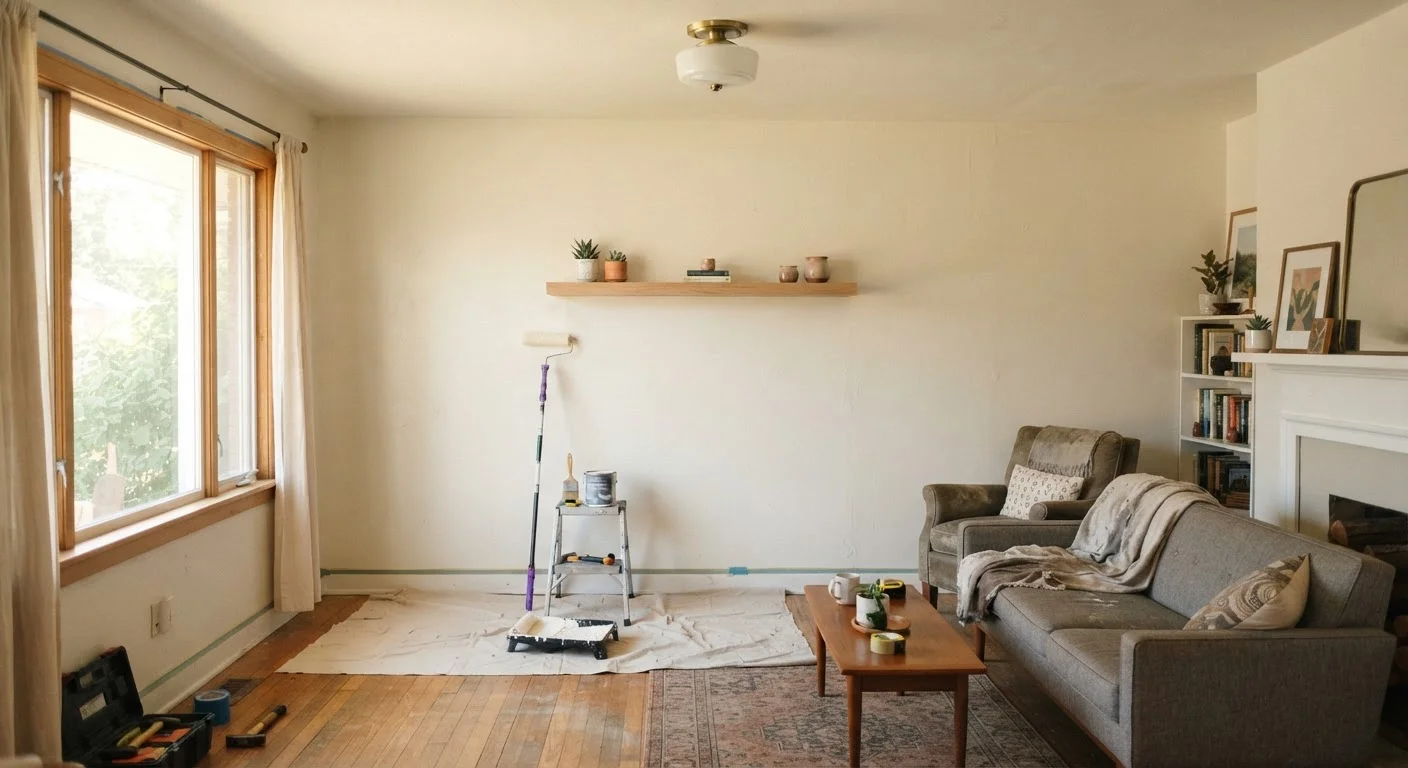
Sweat equity - doing some of the labor yourself - can meaningfully reduce costs, but only on the right tasks. Painting, demolition of non-structural elements, landscaping prep, and installing fixtures like cabinet hardware are generally reasonable DIY territory for a motivated homeowner with basic skills.
Work involving electrical panels, gas lines, structural walls, or plumbing connections into mains typically requires a licensed professional and, in most jurisdictions, a permit and inspection. Attempting these without the appropriate license or permit can result in failed inspections, insurance complications, and genuine safety hazards. When in doubt, consult a licensed contractor before starting. Our article on when DIY makes sense outlines which tasks are reasonable for skilled amateurs and which carry hidden risks.
Spend Where It Shows - Strategically
On a tight budget, every dollar needs to do visible work. Cosmetic improvements - fresh paint, updated light fixtures, new cabinet hardware, refinished floors - routinely deliver a large visual change at a fraction of structural renovation costs. A gallon of quality interior paint covers roughly 400 square feet and costs a fraction of what new drywall or flooring would.
Focus spending on the surfaces and features you and guests interact with most: entryways, main living areas, and bathrooms. Kitchens and bathrooms tend to show the highest return on investment in terms of livability, but they also carry the highest risk of hidden costs. Our bathroom remodel sequencing guide explains why the order of trades matters and how poor sequencing can multiply costs unexpectedly.
Phase the Work and Protect a Contingency Reserve
A phased approach - tackling one room or system per season or per year - allows a limited budget to accomplish meaningful improvements over time without requiring debt or financial strain. It also gives you time to research materials, collect multiple contractor quotes, and learn from earlier phases before committing to larger ones.
Regardless of how carefully you plan, set aside 10-15% of your total budget as a contingency reserve before the project begins. Older homes in particular routinely reveal surprises behind walls or under floors - outdated wiring, water damage, inadequate insulation - that must be addressed before cosmetic work proceeds. If your contingency goes untouched, it becomes the seed for your next phase. For homeowners considering how to fund improvements, our overview of home improvement financing options covers loans, HELOCs, and other common approaches.
Get Multiple Quotes and Understand What You're Comparing
When hiring tradespeople, collecting at least three quotes is a widely recommended baseline - not to find the lowest number, but to understand what the market looks like and what each bid actually includes. Quotes that seem unusually low sometimes exclude permits, disposal fees, or finish materials that other bids include. Ask each contractor to itemize their estimate so you can compare like with like.
Check licensing and insurance for any trade doing permitted work in your home. A contractor who is not properly licensed or insured shifts liability to you if something goes wrong. Your local building department can typically confirm what permits are required for a given project. For larger, more complex projects, our guide to planning a home addition walks through contractor coordination in greater detail.
This article is for general informational purposes only. Costs, permit requirements, and applicable building codes vary by location. Always verify local regulations and consult licensed professionals before beginning renovation work.