

Key Takeaways
- Consistency across small daily habits matters more than occasional perfect meals.
- Hydration, meal timing, and food variety each play distinct roles in overall nutrition.
- Weekly planning reduces decision fatigue and helps reinforce healthier default choices.
- You do not need to overhaul your diet at once - layering habits gradually is more sustainable.
- Nutrition needs vary by individual; consult a registered dietitian for personalized guidance.
Summary
18 items · 20-40 minutes to review and plan
Why a Week Is the Right Frame for Better Eating
Most nutrition advice focuses on single meals or individual foods - but your body responds to patterns, not one-off choices. A week is long enough to establish rhythm, short enough to feel manageable, and easy to repeat. That's what makes it such a practical unit for building smarter habits.
This checklist is organized into daily anchors and weekly planning moves. You don't need to do everything at once. Start by identifying which habits you already practice consistently, then choose one or two gaps to address each week. Over time, these behaviors compound into genuine dietary change - without the whiplash of a dramatic overhaul.
Nutrition science also evolves, and individual needs differ significantly. Our guide on how dietary needs shift across life stages is a useful companion if your needs have recently changed. And for anything specific to your health history, a registered dietitian is your best resource.
Daily Foundations
Weekly Planning Habits
Label & Ingredient Awareness
Tools That Make These Habits Easier to Maintain
You don't need an elaborate setup, but having the right simple resources in your kitchen and routine reduces friction considerably. The fewer barriers between you and a nutritious choice, the more likely that choice gets made.
Reusable water bottle (large capacity)
Keeps hydration visible and accessible throughout the day, supporting the daily water habit without relying on memory alone.
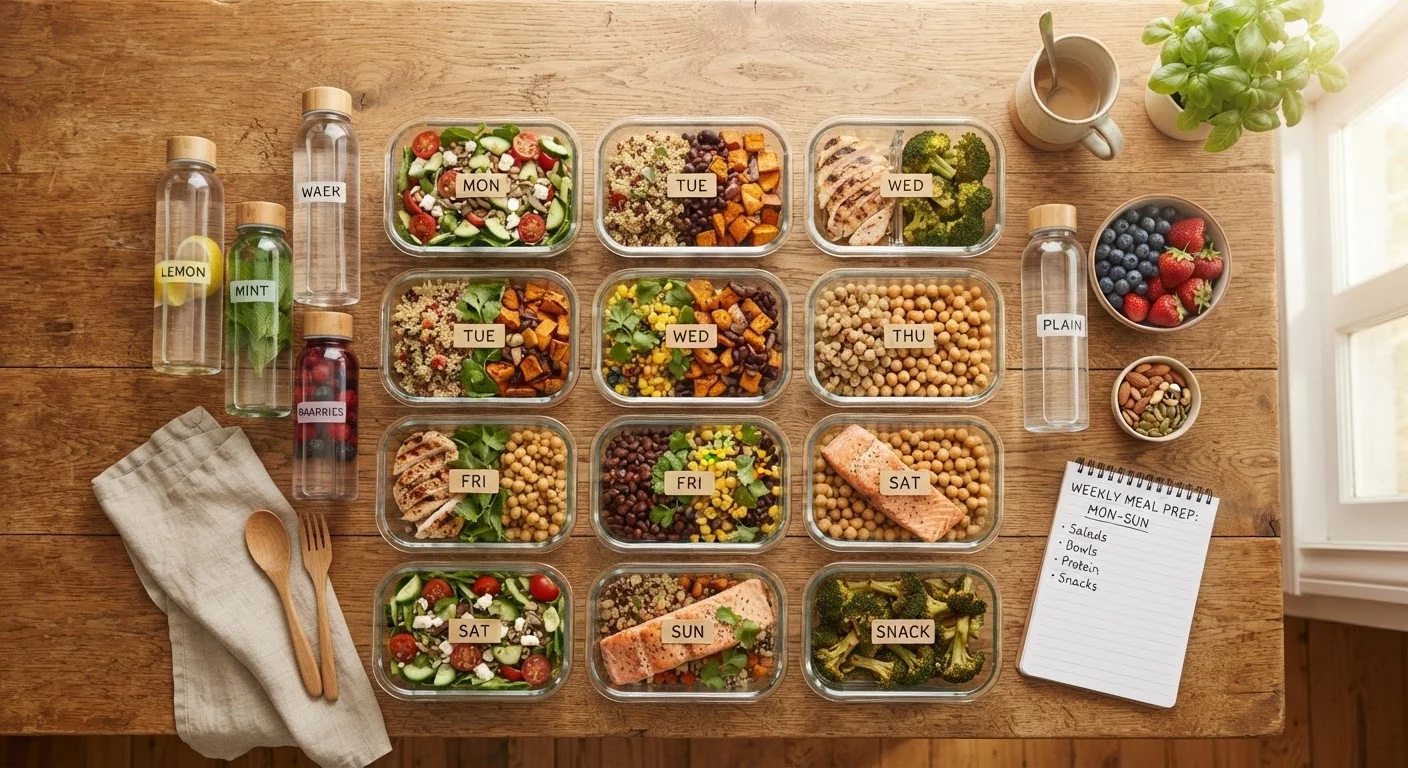
Weekly meal planning template or notepad
A simple paper or digital grid for mapping out meals and a grocery list, reducing decision fatigue during busy evenings.
Measuring cups and a kitchen scale
Helps calibrate portion awareness - especially useful when first learning what standard serving sizes actually look like.
Food journaling app or notebook
Supports optional food logging to build awareness of eating patterns; useful for some people and not necessary for others.
Airtight meal prep containers
Make batch-cooked components easy to store and grab during the week, cutting the effort required to eat well on busy days.
One area worth thinking about carefully is food tracking. Logging meals can sharpen your awareness of what you're actually eating - but it's not the right fit for everyone. Our balanced look at the pros and cons of tracking what you eat can help you decide whether it's a tool worth adding.
Hydration is another habit that interacts more deeply with nutrition than most people realize. Learn how water intake affects nutrient absorption and digestion to understand why keeping a water bottle close isn't just a wellness cliché.
Avoid Perfectionism With This Checklist
Nutrition checklists are tools for reflection, not grading rubrics. Consistently doing most of these habits most of the time is far more valuable than achieving a perfect score once and burning out. If you find yourself feeling anxious or rigid around food habits, it's worth speaking with a healthcare provider - rigid dietary thinking can sometimes signal a need for professional support rather than more structure.
Making It Stick: Connecting Nutrition to the Rest of Your Wellness Routine
Good nutrition rarely lives in isolation. Sleep quality, physical activity, and even stress levels all influence what you eat and how your body uses it. If you're also working on building consistent movement, our guide to designing a realistic weekly movement schedule pairs naturally with this checklist - many of the planning rhythms overlap.
Understanding what's in your food is a foundational skill for all of this. If nutrition labels still feel confusing, reading a Nutrition Facts label without getting confused walks you through exactly what to look for and what to skip.
Finally, remember that eating well is one thread in a larger picture of wellbeing. The self-care habits mental health research actually supports often reinforce - and are reinforced by - the nutritional habits you're building here.
This article is for general informational and educational purposes only and is not a substitute for professional medical or dietary advice. Please consult a qualified healthcare provider or registered dietitian before making significant changes to your diet, especially if you have an existing health condition.