

Key Takeaways
- Sweat equity means the value added to a home through your own labor rather than paid contractors.
- DIY is most worthwhile when the task is low-risk, permit-free, and within your verified skill set.
- Electrical, gas, structural, and major plumbing work carry serious safety and code risks - hire licensed pros.
- Hidden costs like tools, mistakes, and time often shrink the savings gap between DIY and professional work.
- Matching the task to your actual abilities - not your aspirations - protects both your home and your budget.
What 'Sweat Equity' Really Means
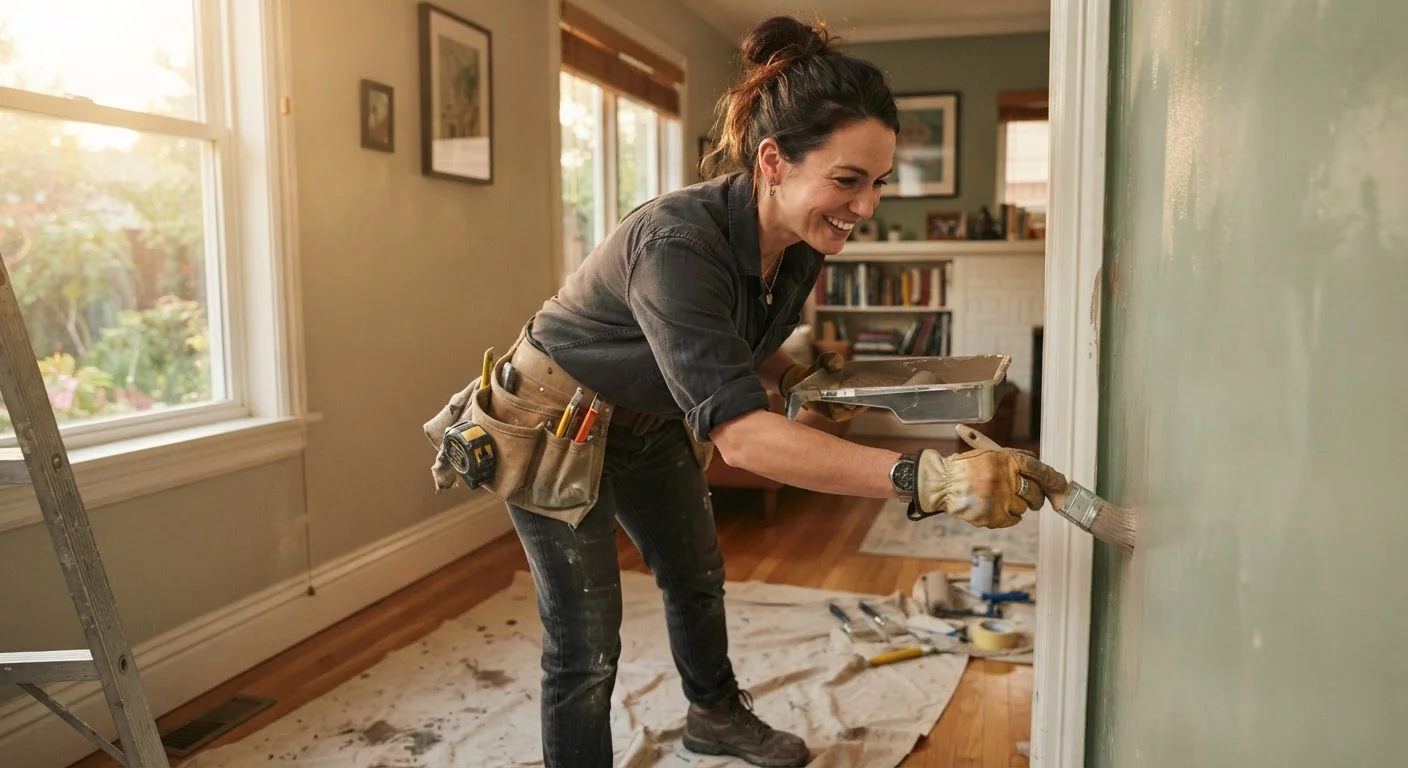
The term sweat equity refers to the value added to a property through an owner's own labor - essentially trading time and effort in place of cash. When you paint your own bedroom, install new cabinet hardware, or lay a backsplash tile, you're building sweat equity: the finished product increases your home's comfort or market value without a contractor's invoice attached.
The concept is legitimate and widely recognized in real estate and personal finance circles. For budget-conscious homeowners, it can meaningfully reduce the cost of a renovation. But the phrase is also frequently misunderstood - and that misunderstanding can lead to costly mistakes. Sweat equity is not a synonym for "do everything yourself." It's a strategic trade-off that only makes sense under the right conditions.
For a broader look at how DIY logic applies to other domains, see our guide to DIY car maintenance vs. shop visits - the same framework applies.
Common Myths About DIY Home Improvement
Many homeowners approach projects with assumptions shaped more by home improvement television than by practical experience. Here are the most persistent myths - and what's actually true.
Myth
DIY always saves money compared to hiring a professional.
Fact
DIY reduces labor costs, but total savings depend heavily on tool investment, material waste, and the cost of fixing errors.
Labor is often the largest line item in a contractor's quote, so handling it yourself can produce real savings - but only if you account for the full picture. Specialty tools, materials purchased in non-optimal quantities, and the time cost of learning on the job all erode the margin. A botched tile job or a leaking pipe repair can end up costing more than the original professional quote once remediation is factored in.
Myth
If you can find a YouTube tutorial, you can safely do the job yourself.
Fact
Video tutorials demonstrate technique but cannot replicate hands-on skill, diagnose your specific conditions, or account for code requirements in your area.
Online instructions are excellent for understanding a process conceptually, but execution is different from comprehension. Local building codes, the age of your home's systems, and site-specific conditions all affect how a project should be approached. A tutorial filmed in one state may show work that's non-compliant or even unsafe under your local jurisdiction's rules.
Myth
Doing your own electrical or plumbing work is legal as long as it's in your own home.
Fact
Many jurisdictions require licensed contractors and permits for electrical and plumbing work regardless of who owns the property.
Homeowner-performed work rules vary significantly by state and municipality. Some areas permit owners to do their own electrical work with a permit and inspection; others require a licensed electrician for any panel or branch circuit work. Performing unpermitted work can void homeowner's insurance coverage, create liability when you sell, and in some cases pose direct safety hazards that code inspections are designed to catch.
Myth
Sweat equity always increases a home's resale value.
Fact
DIY improvements only add resale value when they meet professional quality standards and align with what buyers in your market actually want.
Visible quality matters to buyers and appraisers. Work that looks amateur - uneven tile lines, paint drips, misaligned trim - can actually reduce perceived value. Similarly, personalizing a home too aggressively (unusual color choices, custom built-ins that reduce flexibility) may appeal to you but limit buyer interest. The safest sweat equity investments are neutral, well-executed improvements with broad appeal.
Myth
Renting tools makes DIY projects almost free.
Fact
Tool rental reduces upfront costs but adds per-day fees, transport logistics, and time pressure that can affect workmanship.
Rental tools are a practical solution for one-off projects, but the daily rate means you're working against a clock. Rushed work produces more errors. If a project runs longer than expected - which is common - rental costs accumulate quickly. Factor rental fees into your true project cost before comparing it to a professional estimate.
When DIY Genuinely Makes Sense
DIY is most valuable when a project meets several conditions at once: the work is cosmetic or low-risk, no permit is required, and you have the tools and experience to execute it correctly on the first attempt. Common examples include interior painting, landscaping, installing light fixtures (on existing circuits you understand), caulking, minor drywall patching, and swapping out hardware or fixtures.
Don't Skip the Permit Check
Even seemingly straightforward projects - like adding a new outlet, replacing a water heater, or enclosing a deck - often require a permit in most U.S. jurisdictions. Check with your local building department before starting any structural, electrical, plumbing, or HVAC work. Unpermitted improvements can complicate your homeowner's insurance coverage and your ability to sell the home later.
Before starting any project, be honest about your skill baseline. Watching a tutorial is useful preparation, but it does not replace hands-on experience. If a mistake means re-doing the work or calling a pro anyway, the savings disappear quickly. Our guide to stretching a small renovation budget offers practical ways to prioritize where your labor adds the most value.
When to Put Down the Tools
Certain categories of home work are legally, technically, or safely out of scope for most DIYers - regardless of confidence level. Electrical panel work, gas line installation or repair, structural modifications (removing load-bearing walls), roofing on steep pitches, and main sewer line work all typically require licensed contractors and, in most jurisdictions, pulled permits and professional inspections.
Electrical and Gas Work: Hire a Licensed Pro
Work involving your home's electrical panel, gas lines, or load-bearing structure is not appropriate for DIY under most circumstances - regardless of skill level or confidence. Errors in these systems can cause fires, explosions, structural failure, or carbon monoxide exposure. Always hire a licensed, insured professional and ensure the work is permitted and inspected by your local authority.
Beyond safety, unpermitted work can complicate a home sale, void your homeowner's insurance, or require expensive remediation later. The DIY or call a pro framework walks through a clear decision process for any task you're weighing. When in doubt, getting a professional estimate costs nothing and tells you a great deal.
~33%
DIY projects that exceed initial budget estimates
Industry surveys consistently find that a significant share of homeowner-led projects run over budget due to unforeseen complications and material re-purchases.
2-3x
Time multiplier for first-time DIYers vs. pros
Experienced tradespeople often complete tasks in a fraction of the time it takes a homeowner attempting the same work for the first time, affecting the real cost of your labor.