

Key Takeaways
- Not all CPO programs are created equal - manufacturer-backed and dealer-certified programs differ significantly.
- Inspection checklists vary by brand; some check 150+ points, others far fewer.
- CPO warranties often have mileage and age caps that exclude older or higher-mileage vehicles.
- A CPO label does not replace an independent pre-purchase inspection.
- CPO vehicles typically carry a price premium over comparable non-certified used cars.
- Understanding what a specific CPO program covers helps you decide if the premium is justified.
Certified Pre-Owned (CPO)
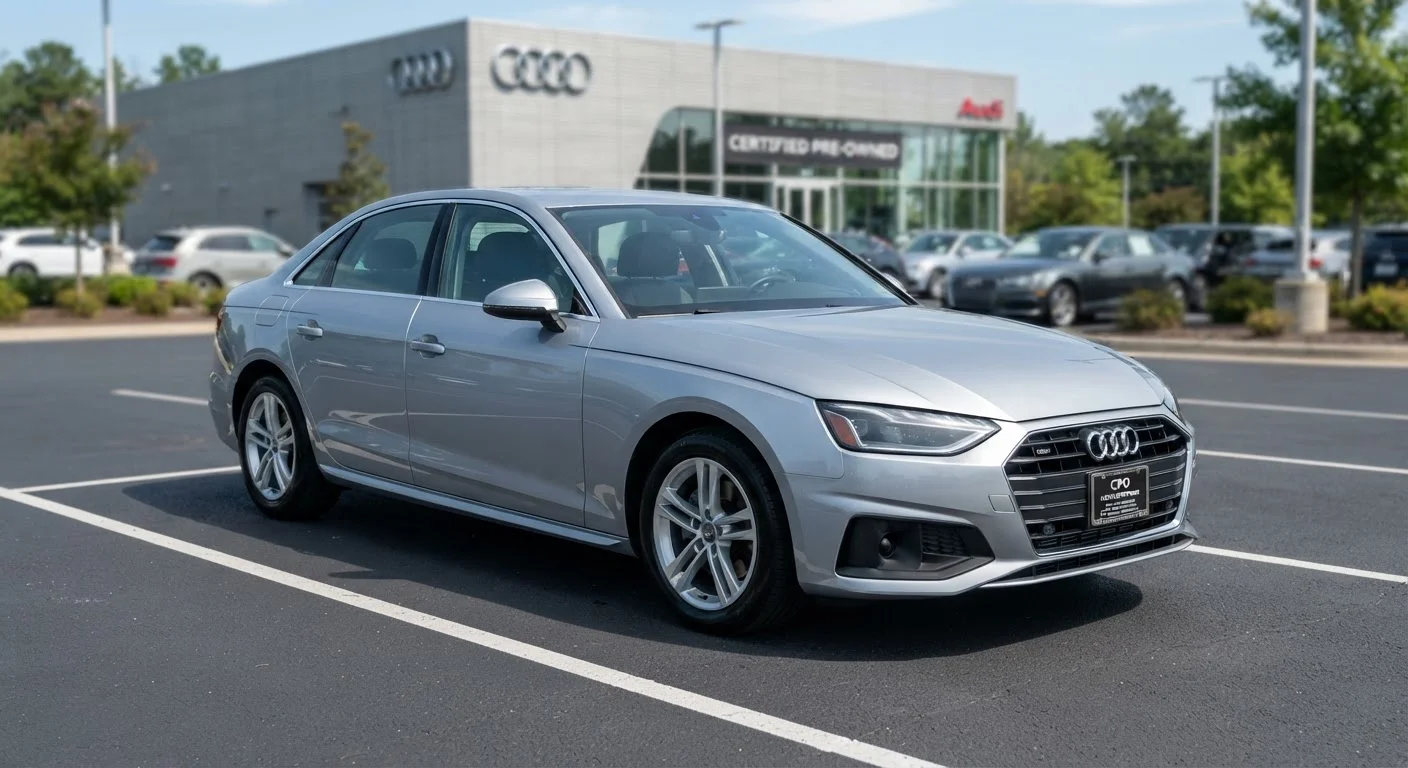
A certified pre-owned vehicle is a used car that has been inspected, reconditioned, and approved under a structured program - either run by the automaker or by an independent dealer. CPO vehicles typically come with a limited warranty and may include additional perks like roadside assistance. The 'certified' label is meant to signal that the vehicle meets a defined quality standard above a typical used car.
Manufacturer-backed CPO programs are distinct from dealer-certified programs; only the former are overseen by the original automaker and backed by the manufacturer's warranty infrastructure.
What 'Certified' Actually Means
The word certified sounds reassuring, but it carries different weight depending on who's doing the certifying. There are two main categories of CPO programs: manufacturer-backed and dealer-certified.
Manufacturer-backed programs - offered by automakers through their franchised dealerships - follow brand-specific inspection standards, are backed by the manufacturer's warranty system, and typically include defined perks like roadside assistance or loaner vehicles. Dealer-certified programs are created and administered by individual dealerships or dealer groups. They may use a checklist and offer a limited warranty, but the standards are set by the dealer, not the automaker, and the warranty may be self-insured rather than factory-backed.
This distinction matters because two vehicles with 'CPO' on the window sticker can carry vastly different levels of assurance. A manufacturer program at a franchised dealership generally provides more transparent, standardized coverage than a dealer-run program at an independent lot.
Manufacturer CPO vs. Dealer-Certified: A Key Distinction
Only manufacturer-backed CPO programs are administered under the automaker's standards and backed by the manufacturer's warranty system. Dealer-certified programs are created by the selling dealership, meaning standards, warranty terms, and claims handling can differ substantially. When evaluating a CPO vehicle, confirm which type of program applies and ask for the written warranty documentation before proceeding.
The Inspection: What Gets Checked (and What Doesn't)
Automaker CPO programs publish inspection checklists that typically run from 100 to 200+ points. These cover mechanical systems (engine, transmission, brakes, suspension), safety features, electrical components, and cosmetic condition. Vehicles that don't pass are either repaired to meet standards or disqualified from the program.
What the inspection does not do is guarantee the vehicle's future reliability or catch every latent issue. Inspections are visual and functional assessments performed at a point in time - they can miss problems that aren't yet symptomatic. That's why, even with a CPO vehicle, pairing the manufacturer's inspection with an independent pre-purchase inspection by a mechanic you trust adds a meaningful additional layer of confidence.
Dealer-certified programs vary widely in what their checklists actually include, so ask to see the completed inspection report - a reputable seller will provide it.
100-200+
Inspection points in typical manufacturer CPO programs
Automaker CPO program documentation commonly lists inspection checklists covering mechanical, safety, and cosmetic criteria across this range of checkpoint items.
~6 years / 80K mi
Typical CPO eligibility cutoffs
Most manufacturer-backed CPO programs cap vehicle age at roughly five to six years and mileage at around 80,000 miles, though exact thresholds vary by brand.
2
Main types of CPO programs consumers encounter
Manufacturer-backed programs and dealer-certified programs represent the two primary categories, with significantly different warranty backing, inspection standards, and consumer protections.
Understanding the CPO Warranty
The warranty is usually the most valuable part of a CPO package - and the most misunderstood. Most manufacturer CPO warranties work in one of two ways: they extend the original factory warranty from the vehicle's original in-service date, or they provide a new limited warranty that begins at the time of CPO purchase.
Powertrain coverage (engine, transmission, drivetrain) is almost always included. Comprehensive coverage - which functions similarly to a factory bumper-to-bumper warranty - is often available for a shorter period. Wear items such as tires, brake pads, and wiper blades are routinely excluded. Some programs offer complimentary roadside assistance, trip-interruption coverage, or free maintenance visits.
Before assuming a CPO warranty is comprehensive, ask specifically: What components are covered? What's excluded? Does coverage transfer if I sell the vehicle? Are there deductibles per visit? The answers reveal whether the program's warranty is genuinely robust or mostly symbolic. You can also compare CPO warranty coverage against dealer-offered extended warranties to understand whether additional coverage makes sense.
The Price Premium - and How to Evaluate It
CPO vehicles typically cost more than comparable non-certified used cars. That premium reflects the warranty, inspection, and program perks - but it varies by brand, vehicle, and market conditions. There's no standard markup; it's part of the negotiation.
To evaluate whether the premium is justified, consider: How much warranty coverage remains? What would a similar non-CPO vehicle cost, and what would an extended warranty add to that price? What's the vehicle's mileage and service history? These questions help frame the CPO price as a value decision rather than a fixed assumption.
It's also worth comparing the CPO option against buying new. New cars vs. used cars involve trade-offs in depreciation, financing rates, and warranty length that can shift the calculus depending on your situation. And before you finalize any deal, use a pre-purchase checklist to verify all the terms, fees, and paperwork are in order.
This article provides general educational information about certified pre-owned vehicle programs and is not a guarantee of any specific vehicle's condition, coverage, or value. Program terms vary by manufacturer and dealer; always review official program documentation and consult with the selling dealership for exact details.