

Key Takeaways
- A pre-purchase inspection is performed by an independent mechanic you hire - not the seller's shop.
- A PPI can reveal hidden mechanical, structural, or electrical problems a test drive will not expose.
- Inspection findings give buyers leverage to negotiate price or walk away from a bad deal.
- Most PPIs cost between $100 and $200 - a small cost compared to an unexpected major repair.
- Even certified pre-owned vehicles can benefit from an independent second opinion.
Pre-Purchase Inspection (PPI)
A pre-purchase inspection (PPI) is an evaluation of a used vehicle performed by an independent, qualified mechanic before the buyer finalizes the purchase. Unlike a quick test drive, a PPI involves a systematic physical examination of the car's mechanical, electrical, and structural systems. The goal is to identify existing problems, deferred maintenance, or hidden damage that could affect safety or future repair costs.
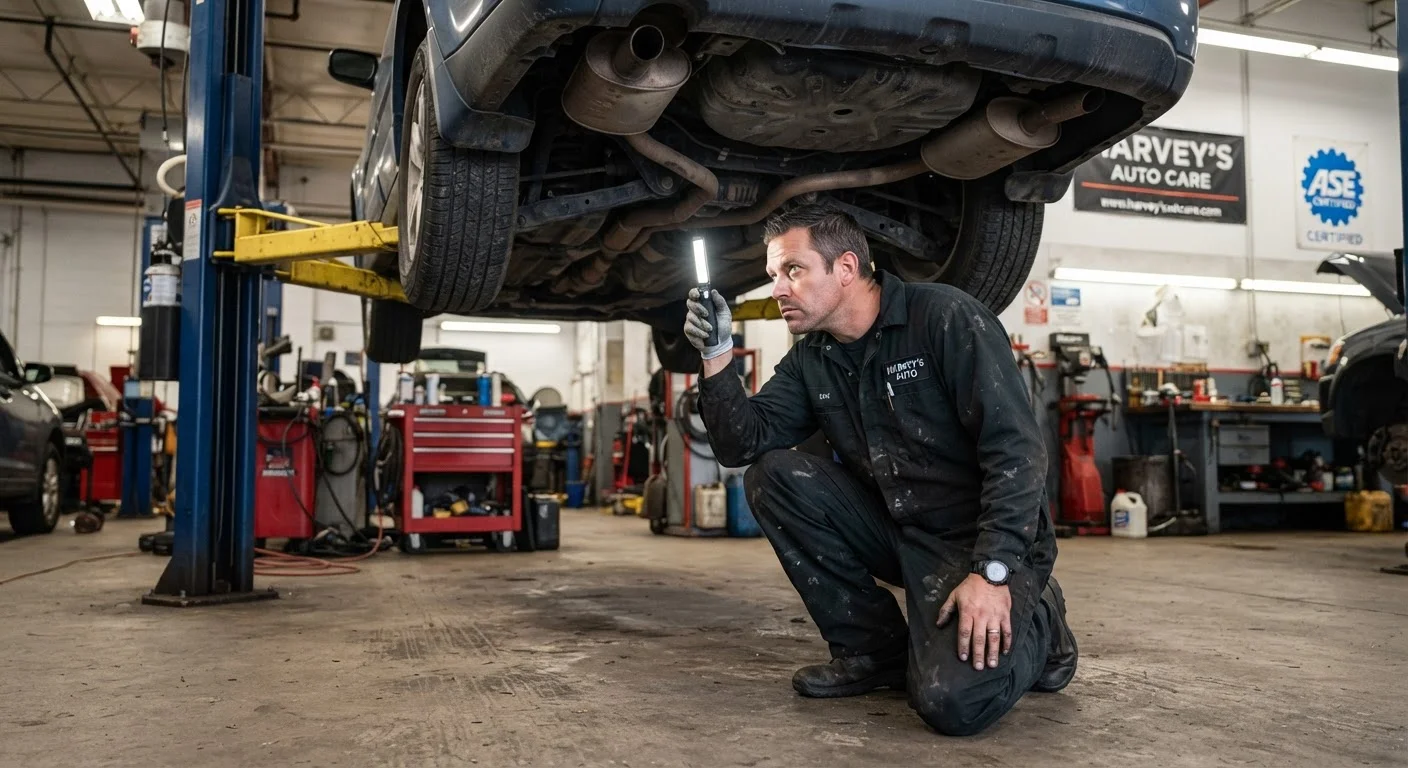
A thorough PPI typically includes an on-lift inspection of the suspension, brakes, exhaust, and frame, along with a diagnostic scan for stored fault codes in the vehicle's onboard computer (OBD-II system).
What a Pre-Purchase Inspection Actually Covers
A PPI is far more rigorous than a personal visual check or test drive. When you hire an independent mechanic to inspect a vehicle, they typically evaluate:
- Engine and transmission: Fluid levels, leaks, belt condition, and signs of overheating or internal wear
- Brakes and suspension: Pad thickness, rotor condition, shock absorbers, and steering components
- Undercarriage: Frame integrity, rust, exhaust system condition, and evidence of prior collision repair
- Tires: Tread depth, uneven wear patterns (which can signal alignment or suspension issues)
- Electrical systems: Lights, climate control, windows, and an OBD-II diagnostic scan for stored fault codes
- Body and paint: Evidence of prior accidents, mismatched panels, or substandard bodywork
The mechanic provides a written report detailing findings, which becomes your documentation for negotiation or for deciding to walk away. Pair this with a vehicle history report and our pre-purchase checklist for car buyers to cover all your bases before signing anything.
How to Arrange a Pre-Purchase Inspection
The process is straightforward, but a few logistics matter:
- Find your mechanic first. Identify an independent ASE-certified shop before you're deep into negotiating. Having a go-to inspector ready prevents delays that could cost you the vehicle or rush your decision.
- Get the seller's cooperation. Ask the seller to allow you to take the car - or have it transported - to your chosen shop. For long-distance purchases, many shops offer mobile inspections or you can use a local shop at the vehicle's location.
- Be present if possible. Attending the inspection lets you ask the mechanic questions in real time and see any issues firsthand rather than interpreting a report after the fact.
- Request a written report. A documented, itemized finding is more useful than a verbal summary, especially in price negotiations.
Match the Mechanic to the Vehicle
For vehicles with known model-specific problems - certain transmissions, timing chain designs, or corrosion-prone areas - look for a mechanic familiar with that make. Marque-specific knowledge can surface issues a generalist might miss. Many independent shops specialize in European, Japanese, or domestic brands, so it's worth asking before you book.
For vehicles with known model-specific problems - certain transmissions, timing chain designs, or corrosion-prone areas - look for a mechanic familiar with that make. Marque-specific knowledge can surface issues a generalist might miss.
Why the Investment Makes Financial Sense
$100-$200
Typical cost of a pre-purchase inspection
Industry estimates from automotive consumer organizations consistently place standard PPI fees in this range for most passenger vehicles.
~$2,000+
Average cost of a major transmission repair
Repair cost data from automotive service industry sources indicates major drivetrain repairs frequently exceed this threshold, often several times the cost of a PPI.
1 in 3
Used cars with undisclosed prior damage
Research from vehicle history reporting services has found a significant share of used vehicles have damage or title issues not disclosed upfront by sellers.
Consider the math: a PPI typically costs $100-$200. A missed transmission problem on a used vehicle can cost $2,000-$5,000 or more to repair. Even if the inspection uncovers only minor deferred maintenance, that information gives you concrete negotiating room. If the car is in genuinely good condition, you gain confidence that the price is justified.
A PPI also matters beyond money. Undetected brake wear, suspension damage, or frame issues can create real safety risks. Many major mechanical failures begin as smaller, catchable problems - which is why our guide on catching small problems before they become expensive repairs is worth reading alongside any used-car purchase.
Sellers who are confident in their vehicle's condition generally welcome inspections. A refusal - or excessive pressure to close the deal quickly - is worth taking seriously as a signal that something may be wrong.
Limitations to Keep in Mind
A PPI is a powerful tool, but it has real boundaries. A mechanic inspects the vehicle's condition at a specific point in time - they cannot predict future failures or guarantee the car will remain problem-free. Intermittent issues (an electrical gremlin that only appears in certain conditions, for example) may not surface during the inspection window.
A PPI also doesn't replace a vehicle history report. The inspection tells you what the car looks like now; the history report tells you what happened to it. Used together, they give you the most complete picture available before committing to a purchase.
Finally, if you're considering a vehicle enrolled in a certified pre-owned program, understand that the dealer's inspection and an independent PPI are not the same thing. CPO programs vary significantly in their scope and standards - an independent inspection remains a valid additional step even for CPO vehicles.