
Staying Safe in Unfamiliar Cities: Situational Awareness for American Travelers

Key Takeaways
- Situational awareness - knowing what's normal around you - is the foundation of urban travel safety.
- Most travel incidents are opportunistic; simple habits like keeping valuables out of sight dramatically reduce risk.
- Researching your destination before arrival helps you recognize what's unusual once you're there.
- Common scams follow predictable patterns; knowing them in advance makes them easy to spot and sidestep.
- Looking confident and purposeful - even when you're uncertain - significantly reduces the likelihood of being targeted.
What Situational Awareness Actually Means
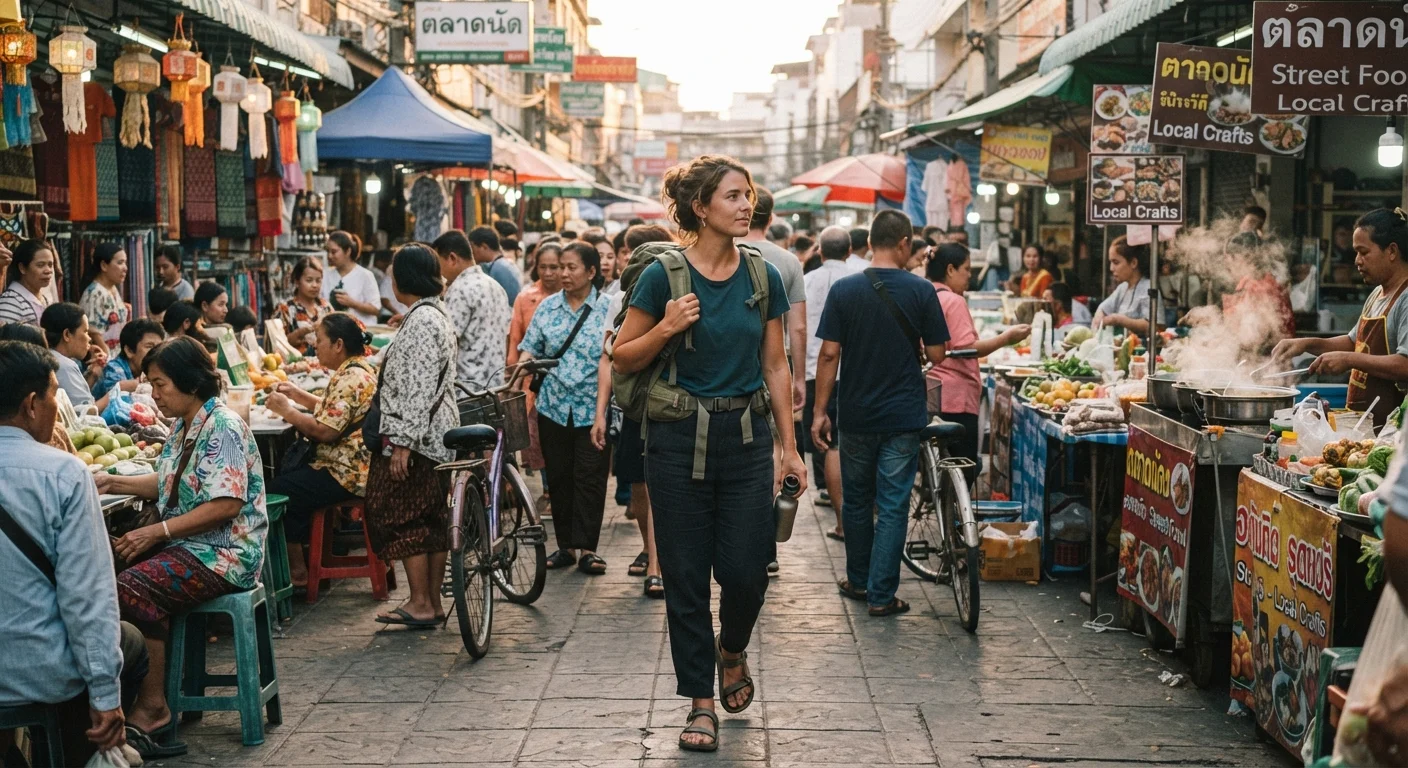
Situational awareness is simply the habit of paying attention to what's normal in your immediate environment - and noticing when something feels off. It doesn't mean being fearful or suspicious of everyone. It means staying present enough to process what's around you rather than moving through unfamiliar places on autopilot.
For travelers, this matters most in the first hours in a new city, when you haven't yet calibrated what typical foot traffic, noise, or behavior looks like. Before consulting your phone for directions on a busy sidewalk, take ten seconds to glance around. Where are people moving? Who seems stationary without a clear reason? Is the area noticeably more or less crowded than you expected? These quick mental checks take almost no time and give you a clearer picture of your surroundings.
Doing some homework before you arrive sharpens this skill considerably. See our guide to researching a destination before you book for practical approaches to building that baseline knowledge ahead of time.
“Most travel safety comes down to not making yourself an easy target - and that's almost entirely within your control through small, consistent habits rather than heroic decisions.”
— Gary Arndt, Long-term travel writer and founder of Everything Everywhere
Habits That Reduce Your Risk in Unfamiliar Areas
Most incidents affecting travelers are opportunistic rather than targeted. Pickpockets, scammers, and petty thieves look for easy moments - a distracted tourist studying a map, a bag left unattended at a café, a phone held loosely at the edge of a crowded platform. Removing those easy moments removes most of your risk.
Distribute your valuables across multiple locations on your body and in your bag.
Keeping your cash, cards, and passport all in one wallet means losing everything in a single incident. Spreading them out limits your exposure and gives you backup options if something is taken.
Step to the side or into a shop before checking your phone or map.
Standing still on a busy sidewalk while looking at your screen marks you as distracted and potentially unfamiliar with the area - exactly the profile opportunistic thieves look for. Pausing in a lower-profile spot takes seconds and removes that signal.
Walk with your bag in front of you or on your dominant side in crowded spaces.
Backpacks worn on your back and shoulder bags hanging loosely are easiest to access in dense crowds. A simple adjustment in how you carry your bag significantly raises the difficulty for anyone attempting to open it without your awareness.
Project confidence through your body language, even when you're uncertain.
People who appear hesitant, lost, or flustered are more frequently approached by scammers and touts. You don't need to actually know where you're going - you just need to look like you do while you figure it out.
Share your daily itinerary with someone you trust back home.
If something goes wrong and you're out of contact, a trusted contact who knows where you planned to be and when can alert the right people much faster. This is one of the simplest and most overlooked safety habits.
These habits apply equally whether you're in a major European capital or navigating an unfamiliar U.S. city. For travelers heading abroad, pairing these habits with a solid pre-departure review pays dividends - our pre-trip checklist walks through what to confirm before you leave home.
Recognizing and Sidestepping Common Scams
Travel scams tend to follow a small number of recognizable patterns. A stranger creates an urgent or emotionally engaging situation - a found item, a friendship bracelet placed on your wrist, a request for directions that ends in a sales pitch, or an offer that seems unusually generous. The common thread is manufactured pressure: you're pushed to respond before you've had time to think.
The most effective countermeasure is simply slowing down. If a situation feels hurried or off-balance, it probably is. You're never obligated to engage with a stranger who approaches you unsolicited, and politely declining and walking away is always an option. Knowing the advisories for your specific destination also helps - the U.S. State Department's travel advisory system flags specific concerns by country and region. See our plain-language breakdown of travel advisory levels to understand what those ratings actually mean.
Staying Safe After Dark and in Quieter Areas
Risk profiles shift after dark in most cities, even generally safe ones. This isn't a reason to avoid evenings out - it's a reason to apply the same habits more deliberately. Walk with purpose, stick to lit streets, and if you're uncertain about an area, ask your hotel or a trusted local contact rather than guessing.
If you're using rideshare or taxi services at night, confirm the vehicle and driver details before getting in. Keep your accommodations address saved somewhere accessible offline - not just in a browser tab that requires connectivity. Traveling alone at night warrants extra attention to these basics; our solo travel safety guide covers the realities and practical precautions in more depth.
For broader health and safety context when traveling internationally for the first time, the comprehensive guide for first-time international travelers is a useful companion to this article.
This article provides general travel safety information for educational purposes. Conditions vary widely by destination and change over time. Always verify current conditions through official government sources and travel advisories before you go.