
Health and Safety Considerations Every First-Time International Traveler Should Understand

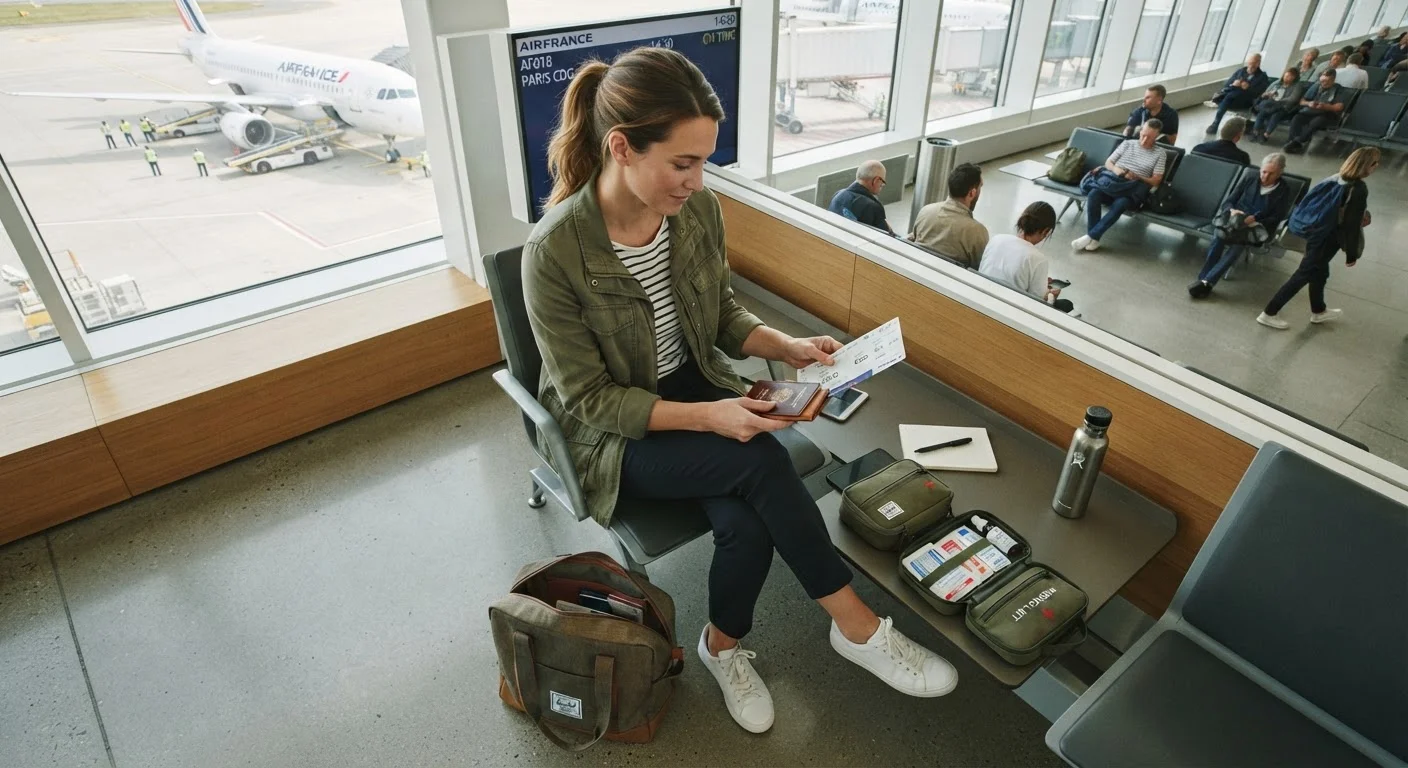
Key Takeaways
- Visit a travel medicine clinic at least four to six weeks before departure for destination-specific health advice.
- Your domestic health insurance plan may not cover care received abroad - verify before you go.
- The U.S. State Department issues four-level travel advisories that can meaningfully inform your destination choice.
- Keeping digital copies of key documents in a secure cloud location reduces the impact of loss or theft.
- Knowing where to find the nearest U.S. embassy or consulate before you travel can save critical time in an emergency.
Start here
Start With Pre-Trip Health Planning
Next
Understand Travel Advisories and Destination Risks
Then
Protect Your Health Coverage Abroad
Before you go
Day-to-Day Safety Habits While Traveling
Emergency prep
What to Do If Something Goes Wrong
Start With Pre-Trip Health Planning
Health preparation is one of the most overlooked parts of international trip planning - and one of the most impactful. Ideally, schedule an appointment with a travel medicine clinic or your primary care physician at least four to six weeks before departure. That lead time matters because some vaccines require multiple doses spaced weeks apart, and others take time to become effective.
During that visit, your provider can review your destination's specific health risks - waterborne illness, mosquito-borne diseases, altitude concerns - and recommend appropriate vaccines or preventive medications. Bring your full itinerary, including any side trips or rural areas you plan to visit, since risk profiles can vary dramatically within a single country.
Pack a basic travel health kit: prescription medications with enough supply for your entire trip plus a few extra days, any over-the-counter remedies you rely on, and documentation of any chronic conditions or allergies in case you need care abroad. See our pre-trip checklist for a full breakdown of what to confirm before departure.
Travel medicine clinic
A medical facility or provider specializing in health preparation for international travel, including vaccinations, antimalarial medications, and destination-specific health advice.
Medical evacuation
Emergency transportation of a sick or injured traveler to a facility capable of providing appropriate care - often a different country. Evacuation can be extremely expensive without insurance coverage.
Travel health insurance
A type of insurance purchased specifically for a trip that can cover emergency medical treatment, hospitalization, and sometimes evacuation or trip cancellation costs abroad.
Travel advisory
An official government assessment of the safety conditions in a foreign country or region, designed to help travelers make informed decisions about where they go.
Consular assistance
Help provided by a U.S. embassy or consulate to American citizens in distress abroad - such as replacing a lost passport or providing emergency contact information.
Understand Travel Advisories and Destination Risks
Before booking any international trip, check the U.S. State Department's travel advisory for your destination. Advisories are rated on a four-level scale - from Level 1 (exercise normal precautions) to Level 4 (do not travel) - and reflect current conditions including crime, civil unrest, health emergencies, and natural disaster risk. Our plain-language breakdown of the advisory system explains what each level means in practice.
Keep in mind that advisories describe a country as a whole. A Level 2 country may have regions that are entirely routine for visitors while other areas carry elevated risk. Read the full advisory text rather than relying only on the level number.
Beyond advisories, research destination-specific risks: local laws that differ significantly from U.S. norms, common scams targeting tourists, transportation safety standards, and whether your planned activities (hiking, water sports, motorcycling) carry particular hazards in that context.
Register Your Trip With the State Department
The Smart Traveler Enrollment Program (STEP) is a free service that lets you register your international trip with the nearest U.S. embassy or consulate. In the event of a natural disaster, civil unrest, or family emergency, registration makes it easier for the State Department to locate and contact you. It takes only a few minutes to set up before departure.
Protect Your Health Coverage Abroad
One of the most important - and frequently misunderstood - aspects of international travel health is insurance. Many standard U.S. health insurance plans offer minimal or no coverage outside the country. Even plans that do cover some international care often exclude medical evacuation, which can cost tens of thousands of dollars out of pocket.
Travel health insurance is a separate product that typically covers emergency medical treatment, hospitalization, and in some cases evacuation and repatriation. Policies vary widely, so read the terms carefully - particularly exclusions for pre-existing conditions, adventure activities, and alcohol-related incidents. Our guide to travel health insurance coverage walks through what these plans typically include and where gaps often appear.
Keep your insurance documentation - including the policy number and 24-hour emergency contact number - somewhere easily accessible, separate from your other valuables.
Day-to-Day Safety Habits While Traveling
Good safety habits abroad don't require paranoia - they mostly come down to consistent, low-effort practices. Start with your documents: carry your passport when required but leave it secured in your accommodation safe otherwise. Keep digital copies of your passport, visa, insurance card, and emergency contacts in a secure cloud account you can access from any device.
Food and water safety is destination-dependent but worth taking seriously. In many parts of the world, tap water and raw produce washed in tap water can cause gastrointestinal illness. When uncertain, stick to bottled or filtered water, cooked foods, and fruits you can peel yourself.
Be aware of your surroundings in unfamiliar areas, especially at night or in crowded spaces where pickpocketing is common. Use transportation options that are officially licensed or recommended by your accommodation. If you're traveling alone, the habits outlined in our article on solo travel safety apply directly here.
What to Do If Something Goes Wrong
Even well-prepared travelers occasionally face emergencies. Knowing your options in advance makes an enormous difference when something does go wrong. Before you depart, locate the nearest U.S. embassy or consulate to your destination - the State Department's website lists all locations. Consular officers can help in cases of lost passports, serious medical emergencies, arrest, or death of a U.S. citizen abroad, though their scope is limited and they cannot pay your medical bills.
If you experience a medical issue, contact your travel insurance provider's emergency line first whenever the situation allows. Many insurers maintain around-the-clock assistance services that can recommend vetted local facilities and coordinate care. For life-threatening emergencies, go directly to the nearest hospital or call local emergency services.
In the event of theft or serious crime, file a report with local police as soon as possible - most travel insurance claims require a police report. Contact your bank immediately to freeze any compromised cards. Having a backup card stored separately from your wallet is a simple precaution that many travelers find invaluable.
For a fuller foundation on planning your first international trip from scratch, see our guide on where to actually start when planning a trip.
This article provides general travel health and safety information for educational purposes only. It is not a substitute for personalized medical advice, professional travel medicine consultation, or guidance from qualified insurance or legal professionals. Always verify entry requirements, health recommendations, and travel advisories through official government and provider sources before traveling.