

Key Takeaways
- A home inspection is a visual, non-invasive examination - inspectors cannot see inside walls or underground systems.
- Certain systems and conditions fall entirely outside a standard inspection's scope, including mold, radon, pests, and septic systems.
- Specialist inspections exist for nearly every gap a general report leaves - and are often worth commissioning.
- An inspection report reflects conditions on one day only; it is not a warranty or guarantee.
- Buyers can and should use the report as a starting point for further due diligence, not a final clearance.
Home Inspection Report
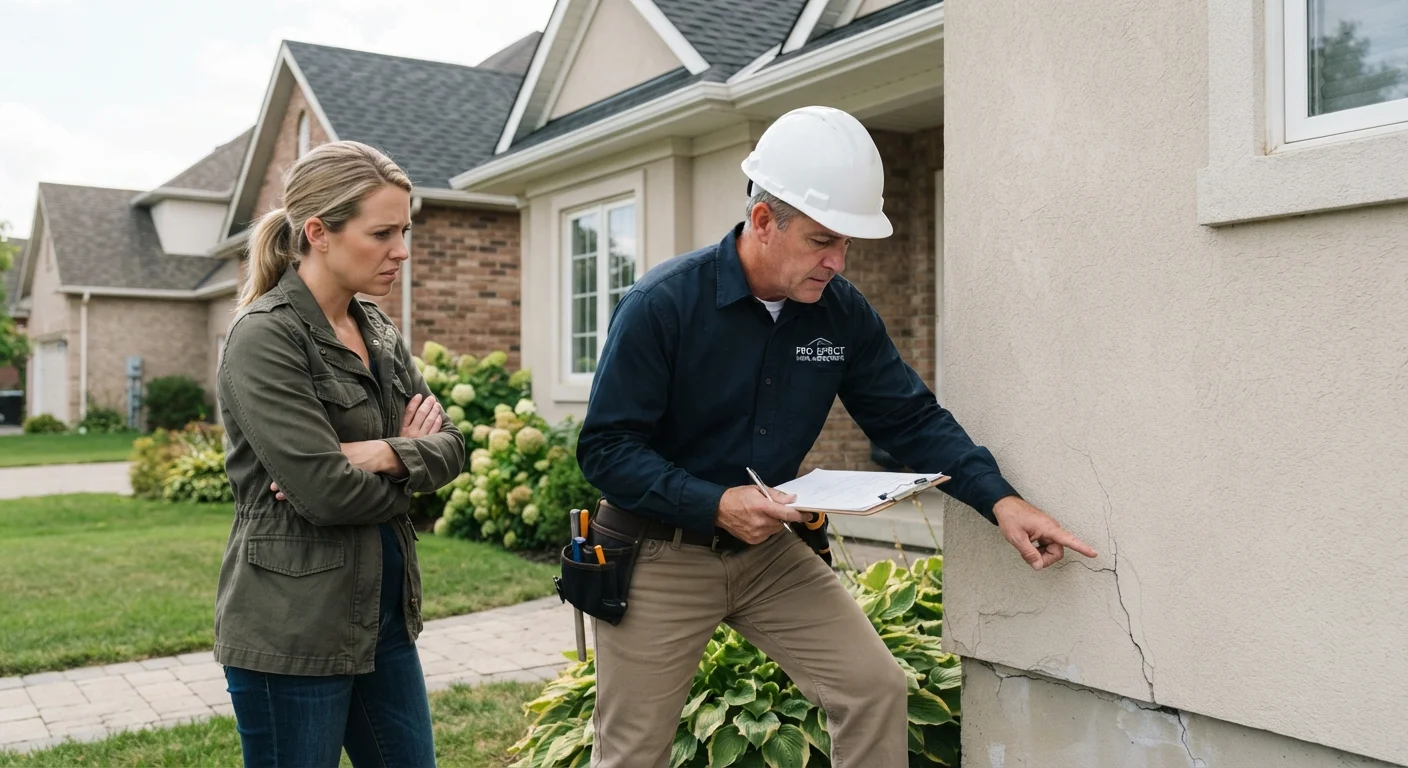
A home inspection report is a written summary prepared by a licensed inspector after a visual examination of a property's major systems and visible components. It documents the condition of items like the roof, foundation, plumbing, electrical, and HVAC as they appear on the day of inspection. The report is designed to identify existing defects or safety concerns - not to predict future problems or assess everything that could affect a home's value.
Home inspectors are generalists. They follow standards of practice set by organizations such as the American Society of Home Inspectors (ASHI) or the International Association of Certified Home Inspectors (InterNACHI), which explicitly define what is - and is not - within their scope.
What a General Inspection Actually Covers
A licensed home inspector performs a visual, non-invasive walkthrough of a property's accessible systems and components. That typically includes the roof (from the ground or a ladder), attic, basement or crawlspace, foundation, exterior grading, windows and doors, electrical panel, plumbing fixtures, HVAC equipment, and interior living spaces. The inspector notes visible defects, safety hazards, and components that are at or near the end of their useful life.
What makes this useful is also what limits it: the inspector can only assess what is visible and reachable on inspection day. A finished basement, a sealed attic hatch, or furniture blocking an electrical panel can all restrict access. Inspectors are not required - and generally not permitted - to open walls, excavate soil, or dismantle equipment. Their job is to observe and report, not diagnose or repair.
For a broader view of what wear and damage can look like in a home, see our guide on early warning signs of home trouble, which covers what buyers and owners can look for themselves.
~86%
Buyers who commission a home inspection before purchase
According to the National Association of Realtors' Profile of Home Buyers and Sellers, the vast majority of buyers include a home inspection in the purchase process.
4 pCi/L
EPA's radon action level for homes
The U.S. Environmental Protection Agency recommends mitigation when indoor radon levels reach or exceed 4 picocuries per liter - a measurement a standard home inspection never captures.
$279-$401
Typical cost range for a general home inspection
HomeAdvisor's cost data indicates general inspection fees vary by home size and region, with specialist add-ons - radon, pest, sewer - each priced separately.
The Real Gaps in a Standard Report
Standard inspection agreements - governed by ASHI, InterNACHI, or state-level licensing bodies - explicitly exclude a range of conditions and systems. Understanding these exclusions before you rely on the report is essential.
- Mold and air quality: Unless mold is plainly visible, inspectors are not trained or equipped to test for it. Sampling requires a certified industrial hygienist or mold specialist.
- Radon: This odorless, radioactive gas is the second leading cause of lung cancer in the U.S., according to the EPA, yet radon testing is a separate service that requires dedicated equipment and a multi-day sampling window.
- Pest and termite activity: Wood-destroying organisms require a licensed pest inspector. Structural damage from termites can be hidden inside framing and missed entirely by a general inspection.
- Septic systems and private wells: These require pumping, camera evaluation, or water quality testing by separate contractors.
- Underground oil storage tanks: Common in older Northeast properties, these pose serious environmental liability and require ground-penetrating radar or soil testing to locate and assess.
- Chimney interiors: A general inspector will note visible issues at the fireplace opening, but a full Level II chimney inspection by a certified sweep uses camera equipment to assess flue liners and hidden deterioration.
Each of these gaps represents a category of risk that a buyer cannot adequately evaluate from the general report alone.
Why Specialist Inspections Are Often Worth the Cost
Specialist inspections typically cost between a few hundred dollars and several hundred dollars each, depending on the system and the region. That investment is modest relative to the repair costs they can uncover. A compromised septic system can cost tens of thousands of dollars to replace; remediating a home with high radon levels runs less than that but requires licensed mitigation contractors and follow-up testing.
The general inspector's report often signals where specialist follow-up is warranted. Language such as "evidence of moisture intrusion," "recommended evaluation by a licensed electrician," or "chimney not fully assessed" is not boilerplate - it is a direct indication that the generalist has found a concern they are not qualified to fully resolve.
Ask Your Inspector Directly
At the end of the inspection walkthrough, ask the inspector: "What concerns you most, and what should I have looked at by a specialist?" A good inspector will answer plainly. Their verbal assessment often goes further than the written report's carefully hedged language - and can help you prioritize where to spend on follow-up evaluations.
After reviewing specialist findings, buyers often have meaningful leverage to renegotiate. Our article on what buyers can ask for after an inspection explains how to use that information effectively without overplaying your hand.
The Inspection Report and Permit History Together
One dimension the inspection report cannot address is whether the home's improvements were legally permitted. An inspector may note a finished basement, a deck addition, or a bathroom remodel - but cannot confirm whether those projects were built to code or had required permits pulled and closed. Unpermitted work can create complications at resale, with insurance, or if the work is later found to be unsafe.
Buyers should request the property's permit history from the local building department independently of the inspection. Our breakdown of permits, inspections, and code compliance explains what that paper trail looks like and why gaps in it matter.
Together, a general inspection report, targeted specialist evaluations, and a permit history review give buyers a much fuller picture of what they are actually purchasing - and what responsibilities they may be inheriting.
This article is for general informational and educational purposes only and does not constitute legal, financial, or professional inspection advice. Consult a licensed home inspector and qualified specialists for guidance specific to any property you are considering.