

Key Takeaways
- Roof material is the single biggest factor determining how long a roof will last.
- Climate stress - freeze-thaw cycles, intense UV, high winds - accelerates wear regardless of material quality.
- Poor attic ventilation shortens roof lifespan by trapping heat and moisture beneath the surface.
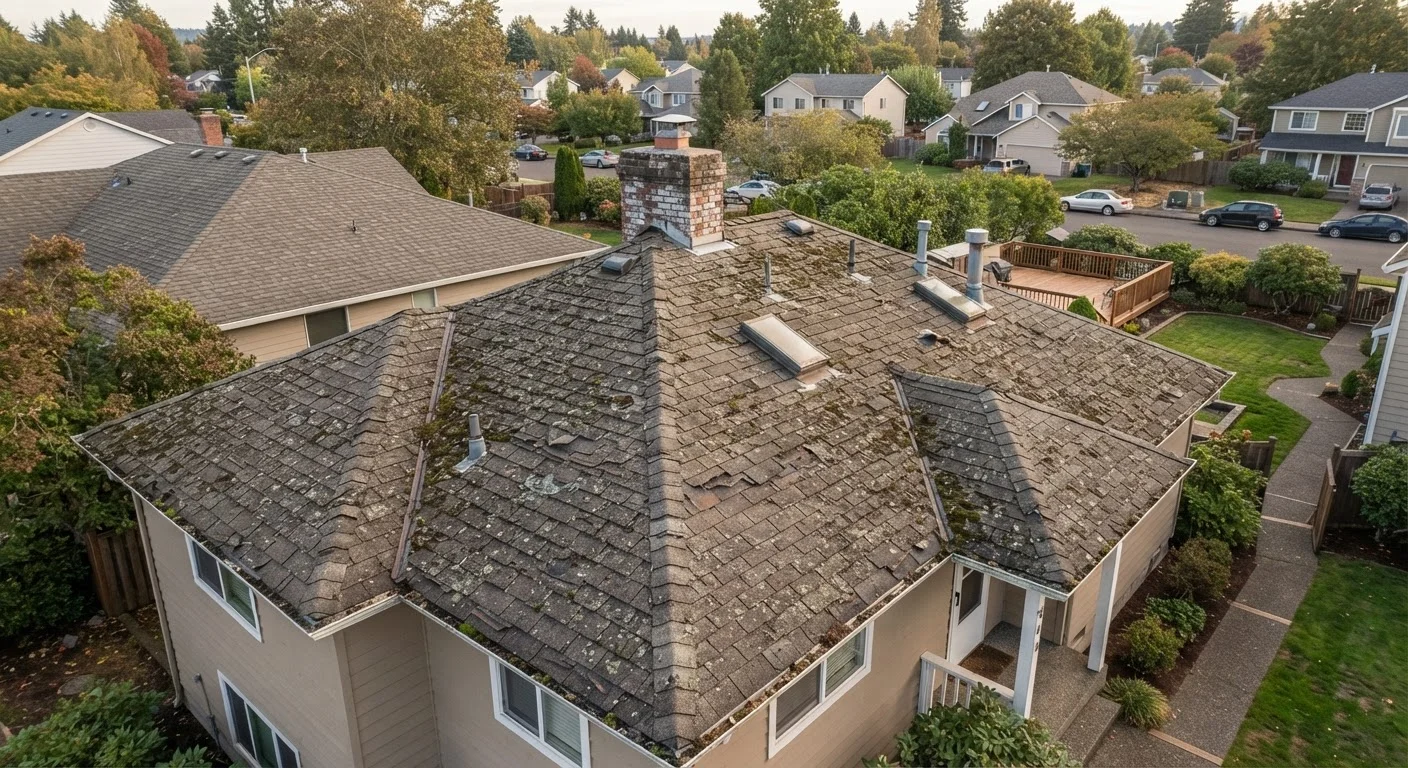
- Curling shingles, granule loss, and daylight through decking boards are signs that repairs are overdue.
- Catching roof problems early almost always costs significantly less than addressing water damage after a leak.
Roof Lifespan
Roof lifespan refers to how long a roofing system can reliably protect a home before it needs full replacement. It varies widely depending on the material used, local weather conditions, installation quality, and ongoing maintenance. Most residential roofs last somewhere between 15 and 50 years, though that range depends on several intersecting factors.
Lifespan estimates typically refer to the roofing surface material; underlying decking, flashing, and ventilation components may degrade on different timelines and affect the system's overall performance.
How Roofing Material Shapes Longevity
The material covering your roof does more than determine its appearance - it sets the ceiling on how long the system can realistically last. Asphalt shingles dominate American homes because they balance cost and performance, but their lifespan (roughly 15-30 years depending on grade) is modest compared to alternatives. Metal roofing, installed correctly, can last 40-70 years and handles rain and wind far better. Clay and concrete tile can exceed 50 years in the right climate but adds considerable structural load. Wood shakes offer character but demand more maintenance and are typically rated for 20-30 years.
Material choice also interacts with climate. A metal roof that excels in the Pacific Northwest may expand and contract more dramatically under the intense UV of the Southwest. Clay tile performs beautifully in dry, warm regions but can crack in repeated freeze-thaw cycles common in northern states. Matching material to local conditions matters as much as the material itself.
15-30 yrs
Typical asphalt shingle roof lifespan
The Insurance Institute for Business & Home Safety and roofing industry sources consistently cite this range, with architectural shingles at the higher end.
40-70 yrs
Expected lifespan of metal roofing
Metal roofing systems, when properly installed and maintained, significantly outlast asphalt alternatives according to roofing industry data.
150°F+
Attic temperatures in summer without ventilation
The U.S. Department of Energy notes that poorly ventilated attics can reach extreme temperatures, accelerating shingle degradation from beneath.
Climate and Environmental Stressors
Even the highest-quality roofing degrades faster under harsh environmental conditions. Freeze-thaw cycling is among the most destructive forces: water penetrates small cracks, freezes, expands, and widens those cracks with each cycle. Homes in northern climates often see shingles age noticeably faster than identical products installed in mild-weather regions.
UV radiation breaks down asphalt and wood-based materials over time, causing brittleness and color fading that signal structural weakening, not just cosmetic wear. High-wind regions - coastal areas and tornado corridors - put mechanical stress on fasteners and edges, making periodic inspection after storms essential. Even biological growth matters: moss and algae retain moisture against the roof surface, accelerating deterioration beneath the surface.
For a broader picture of how seasons affect your entire home, the annual home maintenance cycle is a useful reference for building roof checks into your routine.
Schedule Inspections After Major Storms
Don't wait for a visible interior leak to check your roof. After any significant hail, wind, or ice storm, a ground-level visual check - or a professional inspection - can catch displaced shingles or cracked tiles before water has a chance to penetrate the structure. Acting within days of a weather event is far less costly than discovering damage months later.
Ventilation, Installation, and Maintenance
Two factors homeowners often overlook are attic ventilation and original installation quality. Poor ventilation traps summer heat in the attic - sometimes exceeding 150°F - which essentially bakes shingles from underneath, causing them to age prematurely. In winter, warm air escaping into a poorly ventilated attic creates ice dams at the eave, forcing water back under shingles and into the home. Proper intake and exhaust ventilation is a relatively low-cost fix that can meaningfully extend roofing lifespan.
Installation shortcuts taken at the time of original construction - improper nailing patterns, inadequate underlayment, or poorly sealed flashing around chimneys and vents - create vulnerabilities that only become apparent years later, often when repair costs are highest. If you're buying a home, requesting documentation of the roof's age and installer is worthwhile.
Maintenance is the lever most homeowners actually control. Keeping gutters clear prevents standing water from backing up under the roof edge - see how gutter problems start and how to prevent them for practical steps. Trimming overhanging branches reduces debris accumulation and prevents abrasion against shingles during wind.
Recognizing When Repairs Become Urgent
Some roof wear is cosmetic; some signals that water intrusion is imminent. Knowing the difference protects your home and your budget. Look for these patterns during an annual inspection:
- Curling or cupping shingles: Edges that curl upward or centers that cup indicate moisture imbalance and age-related brittleness - a sign the shingle is near the end of its protective life.
- Granule loss: Granules in your gutters or at downspout exits mean shingles are shedding their UV-protective coating. Accelerating granule loss suggests the surface is failing.
- Missing or cracked shingles: Each gap is an entry point for water. Even a single missing shingle in a field of otherwise sound ones should be addressed promptly.
- Sagging roof deck: A wavy or sagging appearance from the ground often means the decking below has absorbed moisture - this requires professional assessment without delay.
- Interior water stains: Stains on ceilings or in the attic indicate water has already breached the surface. Addressing interior signs early limits the downstream damage.
For a broader guide to reading your home's warning signals, early warning signs of home trouble covers stains, odors, and structural cues across the entire structure. Your attic inspection routine is also directly relevant - moisture damage often shows up there before it's visible anywhere else.
This article provides general home maintenance information for educational purposes only. Roof work on pitched surfaces carries fall risk; always consult a licensed, insured roofing contractor for assessment and repair. Verify local permit and code requirements before undertaking any roofing work.