

Key Takeaways
- Peak season brings reliable weather and full amenities but comes with higher prices and heavier crowds.
- Off-season travel typically lowers costs and reduces crowding, but some services and attractions may be limited or closed.
- Shoulder season - the window between peak and off-peak - often delivers the strongest balance of conditions and value.
- The right timing depends on your priorities: budget, comfort, flexibility, and what you actually want to experience.
- Always verify entry requirements, weather risks, and local closures before committing to off-season travel.
Our Verdict
Neither peak nor off-season travel is universally better - each suits a different type of traveler and trip. Peak season is most reliable for families with school schedules and first-time visitors who want everything open and staffed. Off-season rewards flexible, budget-conscious travelers willing to accept some trade-offs. For many destinations, the shoulder window between the two offers the most well-rounded experience.
| Best for | Recommended |
|---|---|
| Families tied to school calendars or holiday windows | Peak Season |
| Budget-conscious travelers with schedule flexibility | Off-Season |
| Travelers wanting a balance of good weather, access, and value | Shoulder Season |
| First-time visitors who want the full, curated destination experience | Peak Season |
What Peak Season and Off-Season Actually Mean
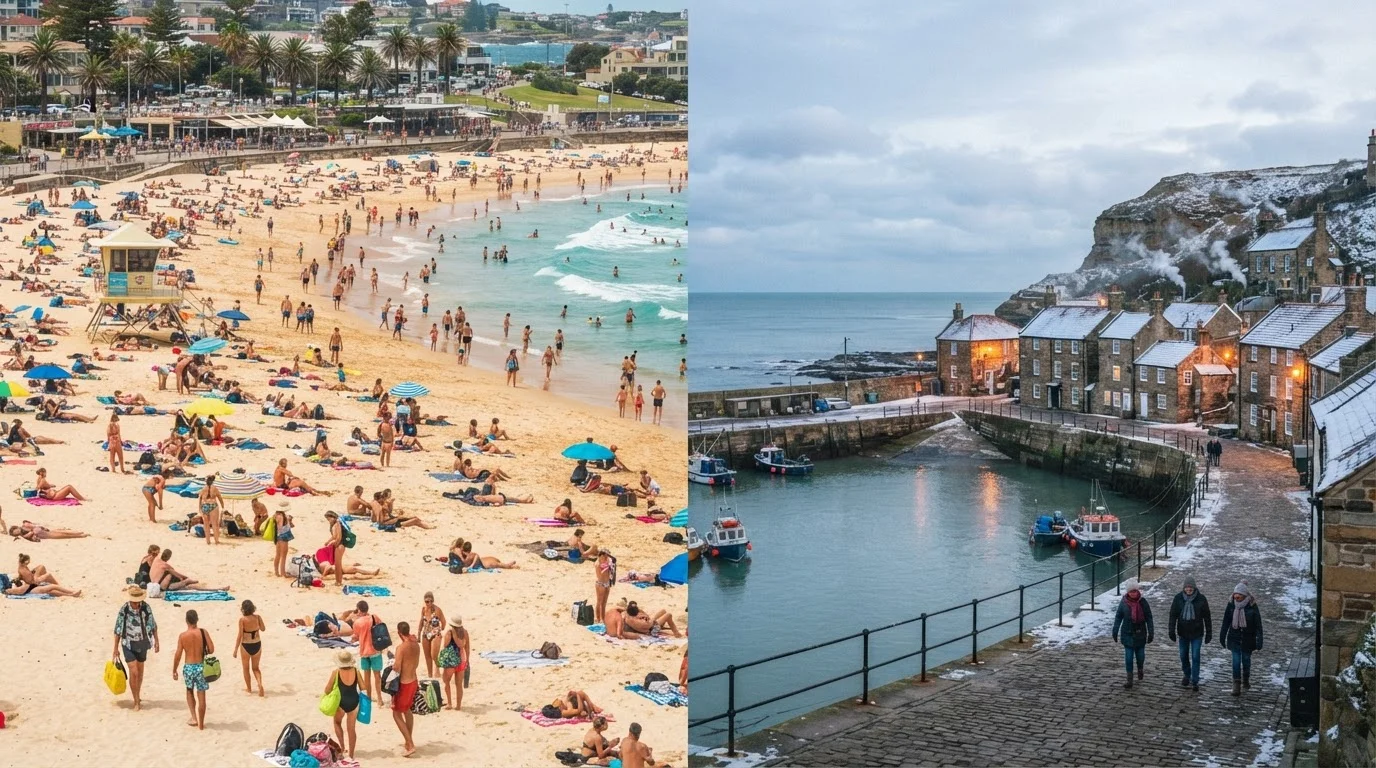
Peak season refers to the period when a destination draws its highest visitor volume - typically driven by school breaks, favorable weather, or major local events. Off-season is the opposite: when visitor numbers drop, often due to weather risks, reduced daylight, or cultural timing. Neither label is universal. July is peak season for beach destinations in the U.S., but the same month might fall in off-season for a ski resort in Colorado.
Understanding what drives a destination's calendar is the first practical step. A well-structured trip plan starts with this kind of destination-specific research before any booking decisions are made.
| Peak Season | Off-Season | Shoulder Season | |
|---|---|---|---|
| Typical Cost | Higher across flights, hotels, activities | Often lower, but not guaranteed | Moderate - variable by destination |
| Crowd Levels | Highest - popular sites very busy | Lowest - destination feels quieter | Moderate - manageable at most sites |
| Weather Reliability | Most predictable and favorable | Higher risk of rain, heat, or cold | Good to moderate - can vary |
| Attraction Availability | Everything open, fully staffed | Some closures or reduced hours | Most things open; some limits |
| Advance Booking Required | Months ahead - especially popular spots | Often last-minute friendly | Several weeks to a couple months |
| Best For | Families, first-time visitors | Flexible, budget-focused travelers | Travelers seeking balance of value and access |
The Real Trade-Offs: Cost, Crowds, and Access
Cost is the most cited reason travelers consider off-season. Airfare, hotel rates, and activity pricing often drop meaningfully when demand softens - but the savings aren't guaranteed or uniform. High-demand destinations, airline route monopolies, and local event calendars can keep prices elevated even in low season. Always compare actual prices for your specific dates rather than assuming off-season means cheaper.
Crowds affect the quality of an experience in ways that cost doesn't fully capture. Standing in a two-hour line at a national park or navigating shoulder-to-shoulder streets at a popular market changes what a place feels like. Off-season travel can restore a sense of space and authenticity - though some venues thin their staff or reduce hours in response to lower demand, which creates its own frustrations.
Access is the factor travelers most often overlook. Restaurants, museums, boat tours, and even some parks may operate on reduced schedules or close entirely in low season. Before booking off-season, research which specific activities matter most to you and confirm they'll be available. Common planning myths include the assumption that an off-season destination is simply a quieter version of its peak self - sometimes it's a structurally different experience.
Check Local Event Calendars Before You Book
Even within off-season, a local festival, national holiday, or major sporting event can spike prices and fill accommodation quickly. Check the destination's event calendar for your specific travel window - not just the general seasonal pattern. This step takes minutes and can prevent a frustrating surprise at checkout.
Shoulder Season: The Often-Overlooked Middle Ground
Shoulder season sits in the weeks just before or after peak season, and for many destinations it offers a compelling combination: manageable crowds, most attractions still open, and prices that haven't reached their ceiling. A beach town in late May or early September, for example, often has good weather, fewer families on summer break, and hotels that haven't fully reset to peak pricing.
The trade-off with shoulder season is unpredictability - weather in particular can swing in ways that peak season usually avoids. Understanding shoulder season's logic helps you decide whether the risk-reward balance fits your trip.
Matching Your Timing to Your Travel Style
Your ideal timing depends on what you're optimizing for. Travelers with rigid school or work calendars often have no choice but to book peak season - and that's a legitimate constraint, not a planning failure. If you're in that category, focus on booking earlier, choosing slightly less popular destinations, and being strategic about which days of the week you travel. Even small date shifts can affect cost and crowd levels meaningfully.
Travelers with genuine schedule flexibility have more options. Consider what matters most: if budget is your primary concern, off-season or shoulder season will likely reward you. If a specific experience - a festival, a seasonal landscape, a weather window - is non-negotiable, timing should follow that event rather than a cost calendar.
Group travel adds another layer of complexity. Aligning multiple schedules often forces a peak-season default, so groups benefit from early planning. See how group travel dynamics affect timing and coordination decisions. For additional ways to make any seasonal window work harder financially, budget-stretching strategies apply across all seasons.
This article provides general travel planning information. Conditions, prices, and availability vary by destination and change over time. Always verify entry requirements, weather risks, and local schedules through official sources before traveling.