

Key Takeaways
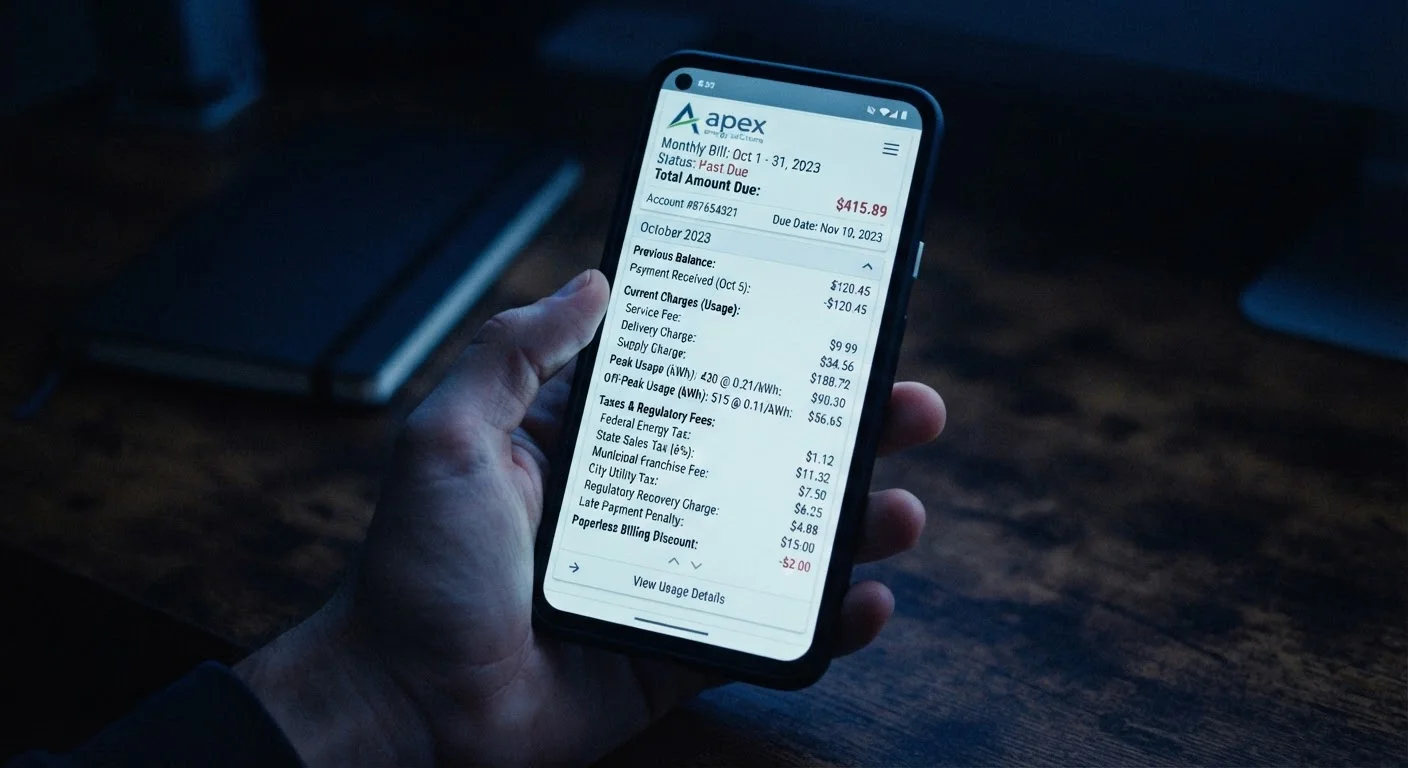
- Advertised plan prices almost never include taxes, regulatory fees, or surcharges that can add $10-$20 or more monthly.
- Device installment plans may carry implicit financing costs, and not all carriers disclose this clearly upfront.
- Insurance and protection add-ons auto-enrolled at signup can persist on bills for months or years unnoticed.
- Autopay and paperless billing discounts are often conditional - losing them can silently raise your bill.
- Reviewing your itemized bill line by line is the most reliable way to catch charges you never agreed to.
Why Your Bill Never Matches the Advertised Price
Wireless carriers advertise plan prices that represent only the base cost of service. Layered on top of that figure are federal, state, and local taxes; regulatory recovery fees; Universal Service Fund contributions; and 911 surcharges. These aren't optional - they're billed every month and they vary by location, meaning two customers on the identical plan can pay meaningfully different totals depending on where they live.
The Federal Communications Commission (FCC) distinguishes between government-mandated taxes - which carriers collect and remit - and carrier-imposed surcharges, which are fees the carrier itself sets and keeps. Both appear on your bill, but they're different in origin. Understanding this distinction helps you identify which charges are fixed obligations and which might be worth challenging.
Advertised Price Is Not Your Actual Price
Carriers are not required to include government taxes and third-party fees in their advertised plan prices. The gap between the marketed rate and your real monthly charge can be substantial - sometimes 20% or more depending on your state and municipality. Always request a full itemized estimate before committing to any plan.
If you've ever been surprised by an internet bill for similar reasons, the same dynamic applies. Our article on hidden fees inside home internet bills walks through the parallel charges ISPs use.
The Add-On Trap: Insurance, Storage, and Extras
Device protection plans, premium visual voicemail, international calling bundles, and cloud storage tiers are frequently offered - and sometimes pre-selected - during the signup process. Individually, each charge may look minor. Across a family plan with multiple lines, they compound quickly.
Auto-Enrolled Add-Ons Are Easy to Miss
Some carriers enroll new customers in trial services - device protection, cloud storage, premium content - that automatically convert to paid subscriptions after 30 to 90 days. These charges can appear as vague line items. If you did not explicitly choose an add-on, check your bill and contact your carrier to remove it before the trial period ends.
The question worth asking for each add-on is concrete: what specific risk or need does this address, and is this the most cost-effective way to address it? For device protection specifically, compare the total annual premium against your device's current market value and the deductible you'd pay on a claim - numbers that are publicly available in every carrier's protection plan terms.
For a deeper look at how plan structures work before you commit, see what to look for in a wireless plan's fine print.
Common Billing Mistakes - and How to Avoid Them
Most overpayments on wireless bills aren't the result of deliberate deception - they stem from assumptions, inattention, and the sheer complexity of modern carrier billing. The mistakes below are among the most common, and each has a practical fix.
Treating the advertised plan price as the total monthly cost.
Why it happens: Carriers prominently display base plan prices in marketing but are not required to include taxes and regulatory fees in those figures. Consumers reasonably assume the listed price is close to what they'll pay.
Ignoring device installment plan terms and potential interest or upgrade obligations.
Why it happens: Monthly installment offers make expensive phones feel affordable, and promotional language often emphasizes the low per-month figure rather than total device cost or financing conditions.
Accepting bundled insurance or protection plans without evaluating their value.
Why it happens: Sales representatives often present device protection as a default inclusion during plan setup, and many customers agree in the moment without calculating the annual cost against realistic replacement scenarios.
Losing conditional autopay or paperless billing discounts without realizing it.
Why it happens: Many carriers offer monthly discounts tied to autopay from a bank account (not a credit card) and paperless billing. A payment method change or billing preference update can silently eliminate these discounts.
Paying international roaming charges that could be avoided with a travel add-on or alternative SIM.
Why it happens: Travelers often don't realize their domestic plan doesn't cover international data at reasonable rates until charges appear on the bill after returning home.
Never auditing the bill for charges that accumulated after initial signup.
Why it happens: Once autopay is set, many customers stop opening bills. Promotional trial services, price adjustments, and unexplained surcharges can accumulate quietly for months.
~22%
Average taxes and fees as share of wireless bill
The Tax Foundation has estimated that combined wireless taxes, fees, and government surcharges represent roughly 22% of the average American's wireless bill, varying significantly by state.
$10-$30
Typical monthly device protection plan cost
Carrier-offered device insurance or protection plans generally range from around $10 to $30 per month per device, according to publicly available carrier pricing schedules.
If you're evaluating whether a prepaid plan might eliminate some of these variables, our explainer on prepaid vs. postpaid wireless billing covers the structural differences between the two models.
Making Your Bill Work for You
The most effective habit any wireless customer can build is periodic bill review. Set a recurring reminder every 90 days to open your full itemized statement - not just the total - and look for line items that have appeared or changed since your last review. If something is unfamiliar, call your carrier and ask for a plain-language explanation before paying.
When evaluating a new plan or carrier, request a written estimate of the total monthly charge including all fees, not just the advertised rate. This is a reasonable ask, and most carriers can provide it. You can also look at publicly available state-by-state wireless tax data to get a ballpark sense of what to expect in your area.
Understanding these cost structures is part of the broader consumer literacy that applies across many recurring bills. The same scrutiny that helps with wireless plans applies to home internet - a topic explored further in our article on internet plan myths that cost households money.
This article is for general informational purposes only and does not constitute financial, legal, or contractual advice. Plan terms, fees, and carrier policies vary and are subject to change. Always review your service agreement and consult your carrier directly for information specific to your account.