

What Is a Security Deposit and How Much Can Landlords Charge?
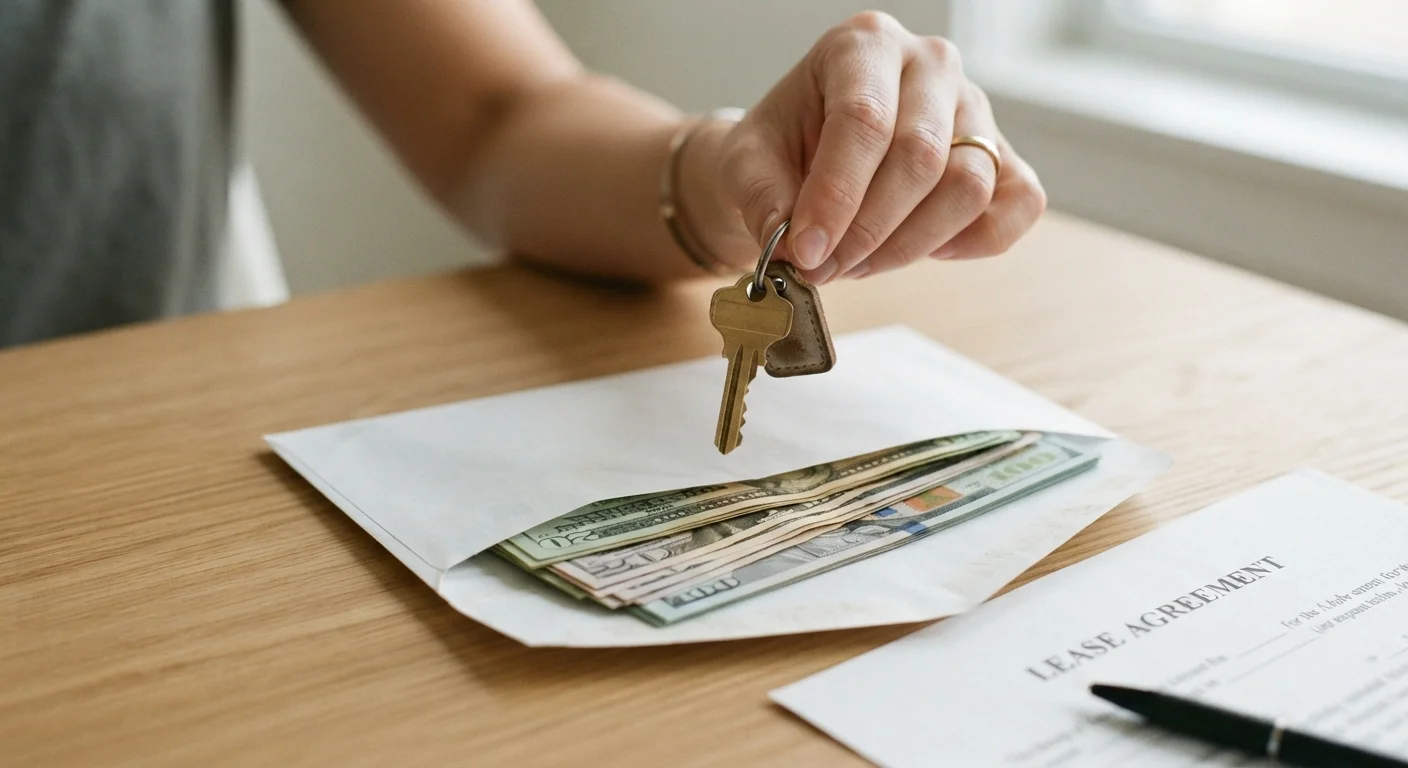
A security deposit is a sum of money a tenant pays a landlord before moving in. It acts as financial protection for the landlord against unpaid rent, lease violations, or damage beyond normal wear and tear. For renters, understanding the rules upfront is essential - see our complete guide to renting in America for a broader overview.
Security deposit limits are set at the state level, meaning rules vary significantly depending on where you live. Common statutory caps include:
- One month's rent - the most frequent limit, used in states like California, Florida, and Illinois.
- Two months' rent - permitted in states such as New Jersey (for unfurnished units).
- No statutory cap - some states, including Texas, do not set a legal maximum, leaving it to market negotiation.
Always check your specific state's landlord-tenant statutes before signing a lease, as local ordinances can add further restrictions on top of state law.
Legal Rules: Storage, Interest, and Return Deadlines
Many states require landlords to hold security deposits under specific conditions to protect tenants' funds:
- Separate account: Several states mandate deposits be held in a dedicated, segregated bank account - not commingled with the landlord's personal funds.
- Interest-bearing accounts: States including Massachusetts and New York require landlords to hold deposits in interest-bearing accounts and pay that interest to the tenant annually or at move-out.
- Written receipts: Some jurisdictions require landlords to provide a written receipt identifying the bank and account where the deposit is held.
Security deposit
A sum of money paid by a tenant to a landlord before move-in, held as financial protection against unpaid rent or damage. It must generally be returned within a state-specified deadline after the tenancy ends.
Normal wear and tear
Minor deterioration of a rental unit resulting from ordinary, everyday use - such as small nail holes, faded paint, or carpet flattening. Landlords cannot legally deduct this from a security deposit.
Itemized deduction statement
A written, line-by-line accounting of any amounts a landlord withholds from a security deposit. Most states legally require this document to accompany the returned balance.
Small claims court
A simplified court process designed for resolving disputes involving relatively small sums of money, typically without an attorney. It is the most common venue for security deposit disputes.
Statutory penalty
A punishment set by law that a landlord may owe a tenant for violating deposit rules - such as failing to return it on time. Penalties commonly range from double to triple the deposit amount.
After you move out, landlords must return the deposit - and any itemized written explanation of deductions - within a legally specified window. This deadline typically ranges from 14 to 45 days depending on the state. Missing this deadline can cost the landlord the right to make any deductions at all, and in some states triggers a penalty of double or triple the deposit amount.
For a full picture of what landlords are legally permitted to do throughout the tenancy, see what landlords can and cannot legally do.
What Landlords Can - and Cannot - Deduct
Not every repair or cleaning cost justifies a deduction. Landlords may generally withhold funds for:
- Unpaid rent or fees owed under the lease
- Damage beyond normal wear and tear (e.g., large holes in walls, broken fixtures, stains from negligence)
- Unreturned keys or access devices
- Cleaning costs if the unit is returned in substantially worse condition than it was received
Landlords generally cannot deduct for:
- Normal wear and tear - faded paint, minor scuffs, carpet wear from regular use
- Pre-existing damage documented at move-in
- Repairs that are the landlord's maintenance responsibility under the lease
Documenting your unit's condition at move-in is the single most effective way to protect yourself. A move-in checklist for renters gives you a room-by-room framework to do exactly that. For a deeper look at why renters lose deposits and how to avoid it, see why renters lose their security deposit.
Disputing a Wrongful Withholding
If your landlord withholds your deposit without justification or fails to return it within the statutory deadline, you have several options:
- Send a written demand letter. Clearly state the amount owed, cite your state's deposit return deadline, and set a response window (typically 10-14 days). Keep a copy and send via certified mail.
- File in small claims court. Most security deposit disputes fall well within small claims limits. Court fees are low, attorneys are typically not required, and judgments can include the deposit plus statutory penalties.
- Contact your state's tenant rights agency. Many states have housing agencies or consumer protection offices that handle landlord-tenant complaints and can sometimes mediate disputes without litigation.
Document Everything Before You Leave
Before returning your keys, photograph every room in detail and compare conditions to your move-in checklist. Send your forwarding address to the landlord in writing, which also starts the clock on the return deadline in most states. Retaining copies of all communications strengthens your position significantly if a dispute arises.
Strong documentation - your move-in checklist, timestamped photos, written communications with the landlord, and a copy of your lease - forms the backbone of any dispute. Courts and agencies rely on evidence, so gather and organize everything before proceeding.
This article provides general information about security deposit laws for educational purposes and does not constitute legal advice. Laws vary by state and locality. Consult a qualified attorney or local tenant rights organization for guidance specific to your situation.