

Key Takeaways
- Skipping surface prep is the single most common cause of paint failure in interior rooms.
- Applying paint in humid or cold conditions leads to adhesion problems that appear weeks later.
- Using the wrong primer - or none at all - undermines even high-quality topcoats.
- Rushing between coats causes uneven sheen, streaking, and poor long-term durability.
- Identifying the root cause of paint failure helps you fix it correctly the first time.
Why Interior Paint Fails More Often Than It Should
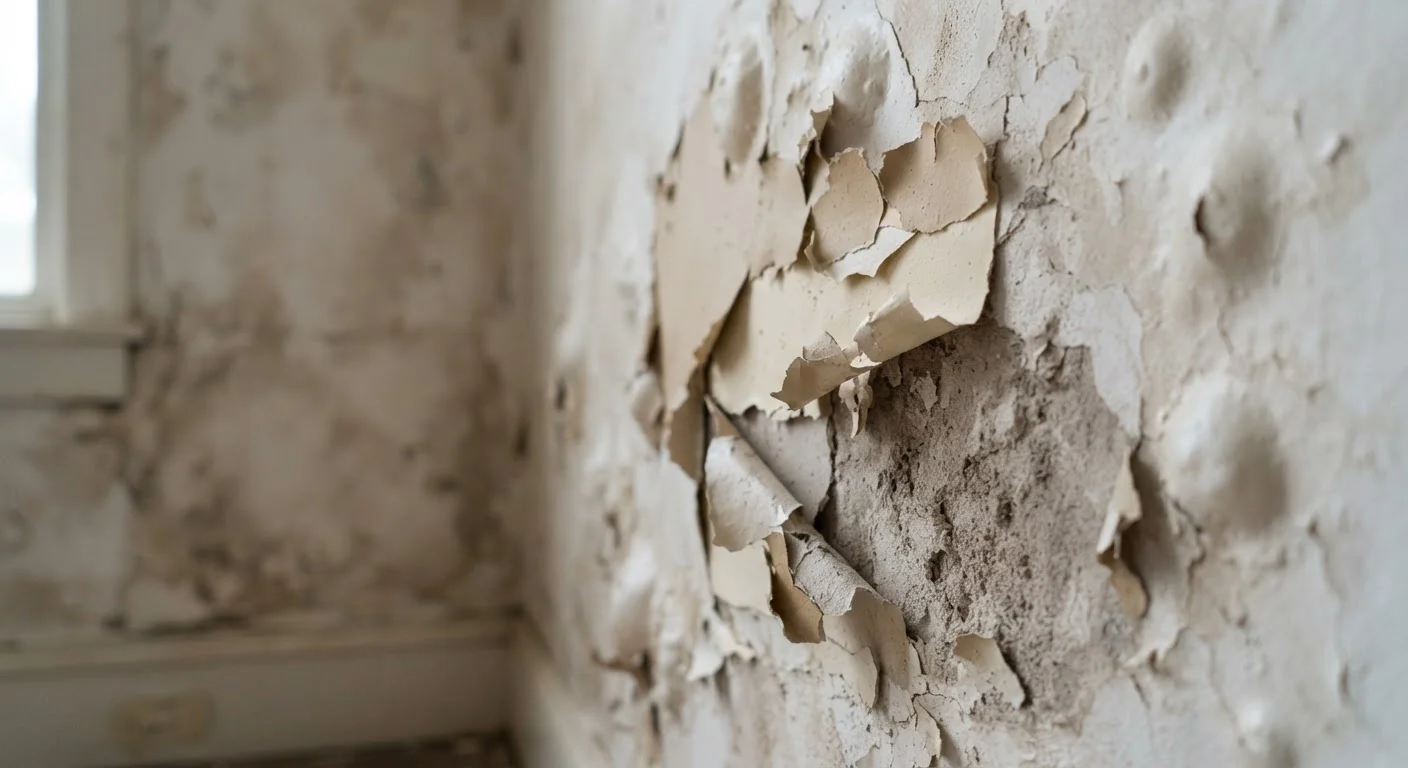
A fresh coat of paint should last five to ten years on interior walls under normal conditions. When it starts peeling, bubbling, or looking patchy within months, the culprit is rarely the paint itself. Most interior paint failures are traceable to decisions made before a single brushstroke was applied - or to cutting corners during the job.
Understanding why paint fails is the first step toward getting a finish that actually holds. The mistakes below are the ones that show up most consistently, and each one is avoidable with the right approach. If you're also watching for other early signs of household trouble, reading your home's warning signs can help you catch issues before they compound.
Painting over dirty, greasy, or glossy surfaces without cleaning and deglossing first.
Why it happens: Walls look clean to the eye, so homeowners assume they're ready. Kitchen walls in particular accumulate invisible grease films that act as a release agent between paint and surface.
Skipping primer, especially on new drywall, repaired spots, or stained surfaces.
Why it happens: Primers add a step and cost, making them easy to rationalize away. Some homeowners assume paint-and-primer-in-one products eliminate the need entirely - which is only true for certain low-demand situations.
Applying a second coat before the first coat has fully dried.
Why it happens: Rushing is the norm on painting days, and the surface may feel dry to the touch long before the paint film has cured. Recoating too early traps solvents and moisture underneath.
Ignoring moisture problems before painting over affected walls.
Why it happens: Bubbling or stained paint sometimes gets treated as a cosmetic issue rather than a symptom of a deeper water intrusion problem. Painting over it feels like a quick fix.
Using interior paint in high-humidity rooms without choosing the right finish or formulation.
Why it happens: Homeowners often use leftover paint from another room rather than selecting a sheen and formula suited to bathrooms, laundry rooms, or kitchens.
Getting the Application Right
Even with a well-prepped surface and appropriate primer, the application stage introduces its own set of risks. Temperature and humidity matter more than most homeowners realize. Paint applied in rooms below 50°F or above 90°F, or when relative humidity exceeds 85%, may not cure properly - leading to soft, tacky, or cracked finishes that develop over days or weeks rather than immediately.
Cold and Humid Conditions Ruin Paint Films
Never apply interior paint when room temperatures are below 50°F or when the space has poor ventilation and high humidity. Even if the paint goes on smoothly, it may fail to cure properly, resulting in a soft or tacky finish that attracts dirt and peels prematurely. Run a dehumidifier or allow adequate ventilation before and during application.
Roller nap thickness is another underappreciated variable. Smooth drywall calls for a thin nap (around 3/8 inch), while textured surfaces need a thicker nap to reach the crevices. Using the wrong nap leaves holidays - small unpainted spots - that show up clearly once the room is lit. Loading a roller too heavily causes splatter and uneven buildup; too lightly and you drag the wet film, leaving streaks.
Paint failures don't always mean a full repaint is necessary. Common home maintenance myths often lead homeowners to over-correct, when targeted prep and a fresh coat over the problem area is frequently sufficient. Identify what actually went wrong before committing to stripping and starting over.