

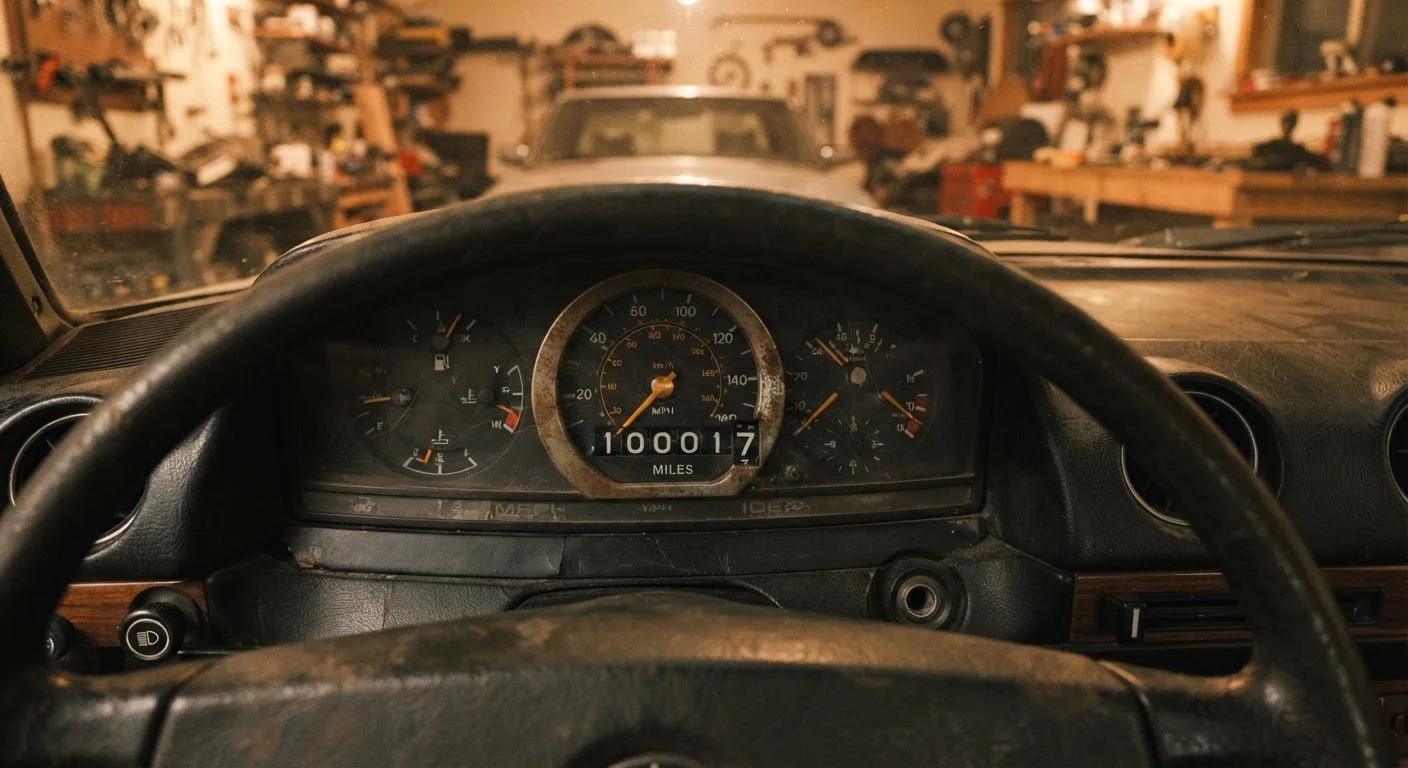
Key Takeaways
- After 100,000 miles, several components enter a higher wear phase and need more frequent inspection.
- Switching to high-mileage engine oil can help reduce oil consumption and protect aging seals.
- Timing belts, coolant hoses, and spark plugs often reach end-of-life near or after 100k miles.
- Suspension and brake components wear faster on high-mileage vehicles and deserve closer monitoring.
- Consistent, proactive maintenance is the most reliable way to extend a high-mileage vehicle's life.
Why 100,000 Miles Changes the Maintenance Equation
Reaching 100,000 miles doesn't mean a vehicle is worn out - many well-maintained cars run reliably well past 200,000 miles. But it does mark a turning point. Components that were designed to last through early ownership begin showing their age, and some factory maintenance intervals that worked fine in the first decade may no longer be adequate.
The core difference is accumulated wear. Gaskets shrink slightly over time, seals become less pliable, and metal components develop micro-fatigue that doesn't show up on visual inspection. What this means for the everyday driver is straightforward: some things need checking or replacing more often, and some things that were rarely a concern suddenly become important. Understanding which is which helps you prioritize spending and avoid being caught off guard by a roadside failure.
For a broader look at how maintenance needs evolve across a vehicle's whole lifespan, see this comprehensive overview.
Engine and Fluid Care: What Needs to Change
Engine oil becomes more critical after 100,000 miles, not less. Many mechanics recommend switching to a high-mileage oil formulation at this point - these products typically contain seal conditioners that help reduce minor leaks and can slow oil consumption in older engines. They also often carry slightly higher viscosity grades suited to engines with looser tolerances from wear.
Oil change intervals themselves may need revisiting. If you've been stretching intervals based on a modern vehicle's recommendations, an older, higher-mileage engine may benefit from more frequent changes. Understanding what actually determines the right oil change interval can help you make an informed call rather than defaulting to either extreme.
Coolant, transmission fluid, and power steering fluid all deserve attention too. These fluids degrade over time regardless of mileage, and in a high-mileage vehicle, degraded fluid accelerates component wear. Check your owner's manual for service intervals, and if those fluids haven't been changed in 30,000-50,000 miles, consider a flush.
Switch to a high-mileage engine oil formulation once your vehicle crosses 100,000 miles.
High-mileage oils contain additives designed to condition aging seals, reduce oil consumption, and better protect engines with wider internal tolerances from wear. Using standard oil in a high-mileage engine may allow slow leaks and increased consumption to worsen over time.
Verify your timing belt replacement history and replace it if overdue or unknown.
Timing belt failure on interference engines can bend valves and destroy the engine. This is one of the highest-stakes single maintenance items on high-mileage vehicles, yet its replacement is often unrecorded or simply forgotten.
Inspect and replace coolant hoses, belts, and spark plugs as part of a 100k-mile service.
These components degrade with age and heat cycling. Worn spark plugs reduce efficiency; cracked hoses and belts can fail suddenly and leave a vehicle stranded - or worse, cause overheating that damages the engine.
Have suspension components inspected by a qualified mechanic every 12 months or 15,000 miles on high-mileage vehicles.
Shock absorbers and struts lose damping effectiveness gradually, making the decline easy to miss. Worn suspension affects handling, braking performance, and tire wear - all of which have safety implications.
Flush and replace transmission fluid, coolant, and power steering fluid if not done in the past 30,000-50,000 miles.
These fluids break down over time and high mileage. Degraded transmission fluid, in particular, accelerates internal wear and can lead to costly rebuilds that a simple fluid service might have prevented.
Components That Often Reach End-of-Life Past 100k
Several parts have service lives that land squarely around the 100,000-mile mark - and if they haven't been replaced, they're likely overdue. A timing belt (on engines that use one rather than a chain) is perhaps the most critical: failure can cause catastrophic engine damage. Check your owner's manual or service records to confirm whether yours has been replaced.
Spark plugs, especially standard copper-tip versions, typically wear significantly by 100,000 miles. Even extended-life iridium or platinum plugs have limits. Worn plugs reduce fuel efficiency and can cause misfires. Coolant hoses and belts - including the serpentine belt - become brittle and prone to cracking with age, and a failed belt or hose can leave you stranded quickly.
It's also worth noting that your owner's manual maintenance schedule may list specific high-mileage service items that many drivers overlook entirely.
Brakes, Suspension, and the Ride You Can Feel
Suspension components - including shock absorbers, struts, bushings, and ball joints - accumulate wear with every mile and every pothole. Past 100,000 miles, worn shocks or struts can noticeably affect handling and braking distance, even if the change has been gradual enough that you've adapted to it. If your ride feels bouncy, if the car pulls to one side, or if you notice uneven tire wear, suspension is worth having inspected by a qualified mechanic.
Brake pads and rotors depend heavily on driving style, but on a high-mileage vehicle, brake hoses and calipers also deserve scrutiny. Rubber brake hoses can deteriorate internally, restricting fluid flow without showing visible external damage.
Catching these issues early is almost always cheaper than waiting. Knowing the early warning signs most drivers overlook can save significant repair costs down the road.
~70%
Of roadside breakdowns are preventable
Industry data from AAA has consistently found that a large majority of roadside breakdowns involve issues - such as tire failure, dead batteries, and fluid leaks - that proper maintenance could have caught or prevented.
200,000+
Miles achievable with consistent maintenance
Consumer Reports and automotive industry studies have documented that many vehicles reach 200,000 miles or more when owners follow recommended maintenance schedules throughout the vehicle's life.