

Key Takeaways
- Dealerships assess trade-in value based on condition, mileage, market demand, and reconditioning costs.
- Getting competing offers before visiting a dealership gives you a stronger negotiating position.
- Separating the trade-in negotiation from the new car purchase negotiation protects you from number blending.
- Minor cosmetic repairs and thorough cleaning can meaningfully affect an appraiser's first impression.
- Online valuation tools provide a useful baseline, but real appraisals depend on physical inspection.
How Dealerships Actually Determine Trade-In Value
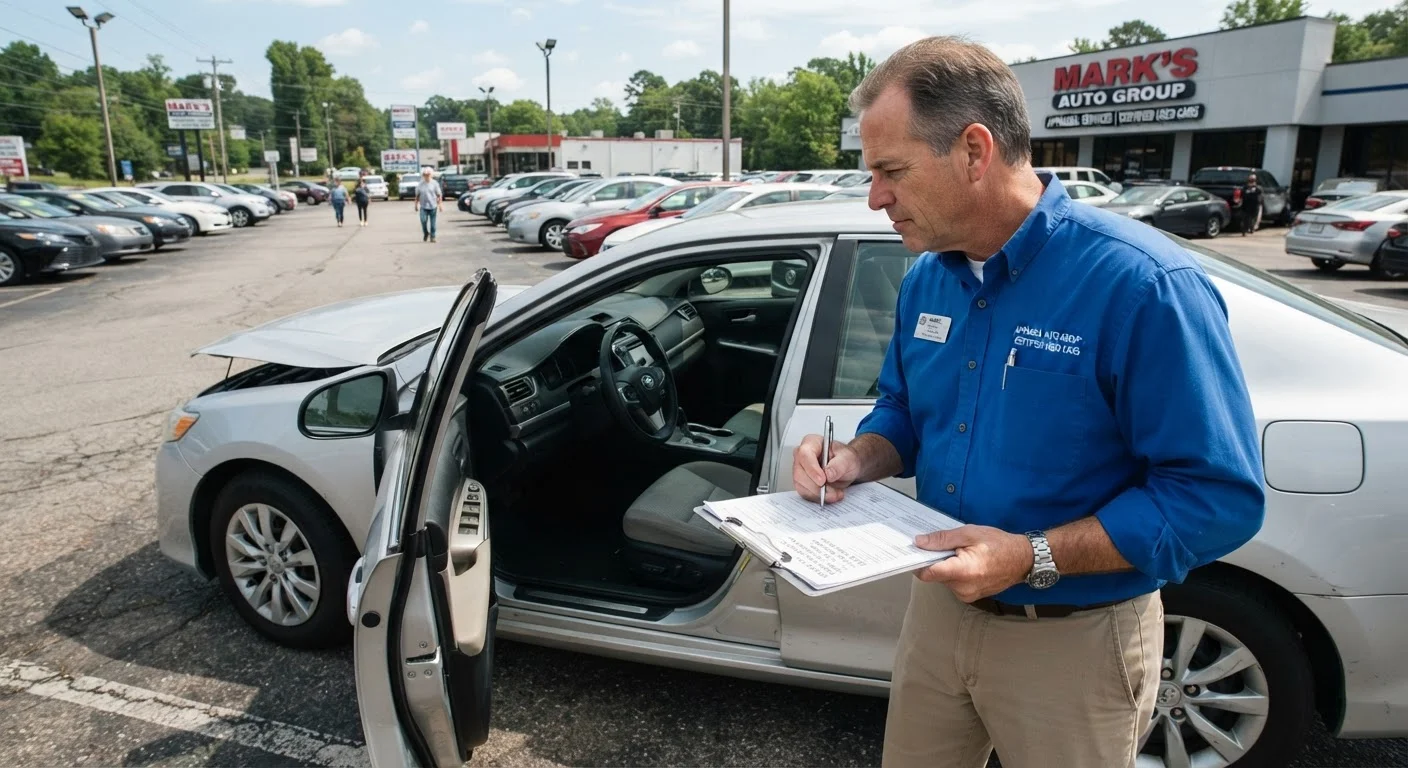
When a dealer appraises your vehicle, they're not trying to find its sentimental value - they're calculating what they can resell it for, minus the cost to get it ready for their lot. That number is called the reconditioning estimate, and it includes mechanical repairs, detailing, safety checks, and any certification costs. Once those expenses are subtracted from the projected resale price, what remains is the figure they'll offer you.
Dealers also consider how quickly a vehicle is likely to sell in their local market. A pickup truck may command a higher trade-in offer at a rural dealer than an urban one simply because demand differs. Regional supply, competitor inventory, and even the time of year can shift what a dealer is willing to pay. Understanding this framework helps explain why the number often feels lower than what you've seen on valuation websites.
For a broader look at how vehicle costs compare across purchase types, see our guide to new vs. used car trade-offs.
Common Mistakes That Reduce Your Trade-In Offer
Most trade-in disappointments are avoidable. The errors below are among the most common - and the most costly.
Walking in without an independent valuation in hand.
Why it happens: Most drivers assume the dealer's first offer is close to market value and don't realize how much variation exists between appraisers.
Presenting a car in poor cosmetic condition.
Why it happens: Sellers often assume mechanical condition matters more than appearance, so they skip cleaning or minor touch-ups.
Negotiating the trade-in and new car price at the same time.
Why it happens: Dealers routinely present these as a bundled monthly payment, which makes it easier to shift numbers without the buyer noticing individual concessions.
Disclosing your payoff balance or urgency early in the conversation.
Why it happens: Buyers feel it's helpful to share full financial context, not realizing this information can be used to anchor or limit the trade-in offer.
Ignoring competing offers from other buyers or dealers.
Why it happens: Visiting a single dealership feels simpler, and many buyers don't realize they can obtain a competing offer without committing to a sale.
~$3,000
Typical gap between trade-in and private sale value
Industry estimates commonly cite a difference of $1,000-$3,000 or more between dealer trade-in offers and equivalent private-party sale prices for the same vehicle.
12,000
Annual miles considered standard by most appraisers
Most lenders and dealers use 12,000 miles per year as a baseline; vehicles significantly above this threshold typically receive lower trade-in offers due to increased wear assumptions.
What You Can Do Before You Walk Into the Dealership
Preparation is the single most effective lever you have. Start by gathering at least two or three independent valuations from reputable online tools before your appointment. These won't be final offers, but they establish a credible baseline you can reference during the appraisal conversation.
Next, document your vehicle's service history. A complete maintenance record signals to an appraiser that the car has been cared for and reduces their uncertainty about hidden mechanical issues - which in turn reduces the cushion they build into the reconditioning estimate.
Don't Rely Solely on Online Estimates
Online valuation tools are useful starting points, but they can't account for regional demand, unreported accident history, or the specific condition of your vehicle's components. Treat these figures as a floor for negotiation, not a guaranteed offer. An in-person appraisal will almost always result in adjustments - sometimes upward, often downward.
Finally, keep the trade-in discussion separate from your new vehicle negotiation. Dealers sometimes present both transactions together, which can obscure whether you're actually getting fair value on either side. Agree on the trade-in offer independently, then negotiate the purchase price of the new vehicle. For more on how to structure that conversation, see our practical guide to dealership negotiation.