

Key Takeaways
- Overnight trains and buses eliminate lodging costs for one night while moving you between destinations.
- City tourism cards often pay for themselves within a single day of sightseeing and transit use.
- Shoulder-season travel can lower both flight and accommodation costs without sacrificing good weather.
- Staying in neighborhoods one or two stops from tourist centers typically cuts lodging prices significantly.
- Consolidating currency exchange at reputable in-country sources avoids the worst airport and hotel rates.
- Choosing destinations where your home currency converts favorably stretches the same dollar further.
Beyond the Obvious: Cost-Cutting That Actually Works
Most travel money advice covers the same familiar ground: book early, pack light, avoid checked bags. That guidance isn't wrong - it's just incomplete. The travelers who consistently spend less without feeling like they're sacrificing anything tend to rely on a quieter set of strategies that rarely make headline lists.
These approaches require a little more planning upfront, but they tend to produce outsized savings over the course of a trip. They also avoid the hidden traps that make so-called budget travel frustrating - a topic explored in depth in The Real Costs Hidden Inside 'Cheap' Travel Deals. The list below focuses on methods that are genuinely underused, not just repackaged versions of common advice.
Use overnight transit as a free hotel night
Overnight trains and long-haul buses do double duty: they move you between cities while you sleep, eliminating one night of accommodation costs. In Europe, overnight rail options connect major cities on routes where sleeping cars or couchette berths are widely available. In Southeast Asia and South America, overnight buses with reclining seats are a well-established part of how locals and travelers alike move around.
The math is straightforward - a sleeper berth often costs less than a mid-range hotel room, and you arrive at your next destination at the start of the day with no time lost. Just factor in luggage security and sleep quality when deciding whether a route suits you.
Overnight transit eliminates a hotel night while you travel - it's one of the most efficient moves in budget travel.
Invest in a city tourism card
Many cities offer tourism cards that bundle unlimited public transit with free or discounted entry to museums, attractions, and sometimes restaurants. These cards are frequently overlooked because they require an upfront payment that feels large - but the arithmetic often favors the card within a single full day of use.
Before purchasing, list the specific attractions you plan to visit and check their individual admission prices. If the card covers transit too, add in what you'd spend on separate fare cards. When the card breaks even by midday, everything after that is effectively free. City tourism offices and official destination websites are reliable places to compare options without sorting through third-party markup.
A city tourism card can break even by midday - everything after that costs you nothing extra.
Stay one neighborhood away from the center
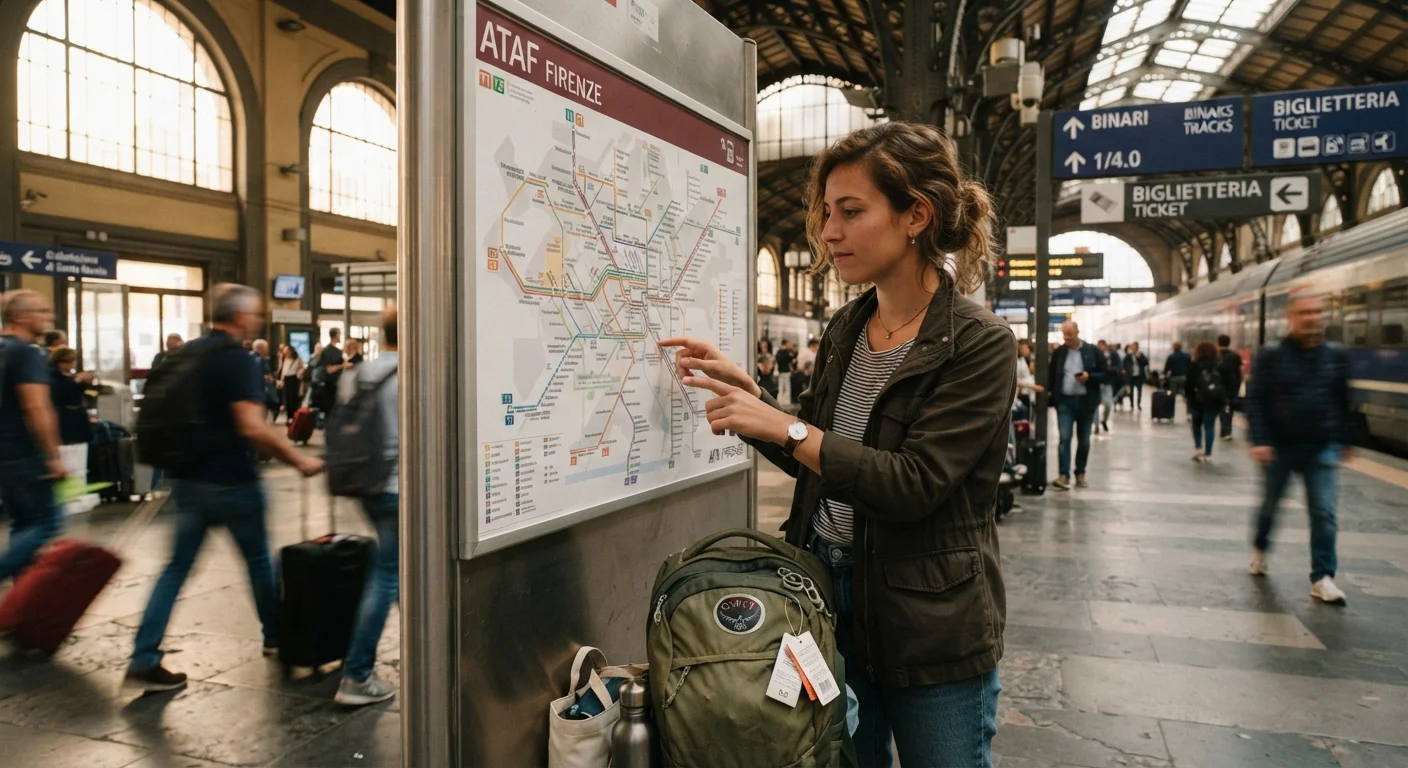
Accommodation prices drop noticeably - sometimes dramatically - when you move one or two transit stops away from the main tourist district. In many cities, a ten-minute subway or tram ride separates a neighborhood that's priced for tourists from one that's priced for residents.
This strategy works best when you've already researched the transit network and confirmed that your lodging is close to a reliable stop. The tradeoff is negligible when the transit is good; the savings on accommodation can fund several additional days of travel. It also tends to produce a more authentic experience of wherever you're visiting.
One transit stop away from the tourist center can mean half the lodging price with the same access.
Time your trip to shoulder season
Shoulder season - the weeks just before or after peak travel periods - offers a useful combination: lower prices on flights and accommodation, thinner crowds at attractions, and weather that's often still quite good. The specific window varies by destination, but it typically falls in spring and early fall for European cities, and in the periods flanking major holidays elsewhere.
The savings aren't trivial. Flights and hotels in shoulder season can run meaningfully less than their peak-season equivalents for the same itinerary. Fewer crowds also mean shorter waits at popular sites, which improves the experience independently of cost. Stretching a Travel Budget covers timing strategies in greater detail.
Shoulder season often delivers the same destination at a noticeably lower price with fewer crowds.
Exchange currency strategically, not conveniently
Airport currency exchange desks and hotel front desks typically offer the worst rates you'll encounter on a trip. In-country banks, ATMs on major bank networks, and dedicated exchange offices in city centers generally offer far better rates - sometimes substantially so.
Before travel, research whether your home bank has fee-free international ATM partnerships, and notify them of your travel dates. Withdrawing a reasonable amount of local currency in one transaction at a reputable in-country ATM beats making multiple small withdrawals subject to fees. Avoid dynamic currency conversion when given the option - it almost always costs more than paying in local currency.
Where and how you exchange currency can cost or save you more than a night of lodging over a two-week trip.
Factor in currency favorability when choosing destinations
The purchasing power of your home currency varies considerably by destination. Traveling to countries where your dollar converts favorably means the same spending budget produces a meaningfully different experience - more meals, more activities, more flexibility. This isn't about seeking out low-income destinations for the wrong reasons; it's about being aware that geography affects value.
Travelers who consistently get more from their budgets often adjust their destination shortlist based on exchange rates and local cost-of-living, not just airfare. Combining a destination where your currency goes far with the other strategies on this list can produce trips that feel far more expensive than they actually were. Spending patterns - including food - also matter here; What Budget Travelers Get Wrong About Saving on Food Abroad explains where travelers typically leave money on the table.
Choosing destinations where your currency converts favorably is one of the highest-leverage decisions you can make.
Putting It All Together
None of these strategies requires giving up comfort or accepting a degraded experience. They're about redirecting spending toward what you actually value - experiences, food, time - rather than absorbing costs that don't serve you. The more of them you combine on a single trip, the more the savings compound.
Track Spending in Real Time
One habit that distinguishes travelers who stay on budget from those who don't: tracking daily spending as they go rather than reviewing it after the trip. A simple notes app or basic spreadsheet captures the running total before small purchases add up to a surprise. Knowing your daily average also makes it easier to decide when to splurge and when to hold back without second-guessing every decision.
For a fuller picture of how these tactics fit into a complete travel plan, Budget Travel Planning: An End-to-End Approach for Cost-Conscious Travelers walks through every stage from destination research to day-of spending. And if you want to understand what budget travel actually means in practice - beyond the dollar signs - Budget Travel Decoded is a useful starting point.