

Key Takeaways
- A lease is a legally enforceable contract - vague verbal promises from a landlord carry far less weight than written terms.
- Security deposit rules, including maximum amounts and return timelines, are set by state law and cannot be waived by a lease.
- Clauses covering early termination, subletting, and rent increases deserve especially close attention before you sign.
- Some lease terms that appear standard may actually be unenforceable if they conflict with local housing law.
- Understanding your obligations upfront is the most effective way to protect your security deposit and avoid disputes.
Lease Agreement
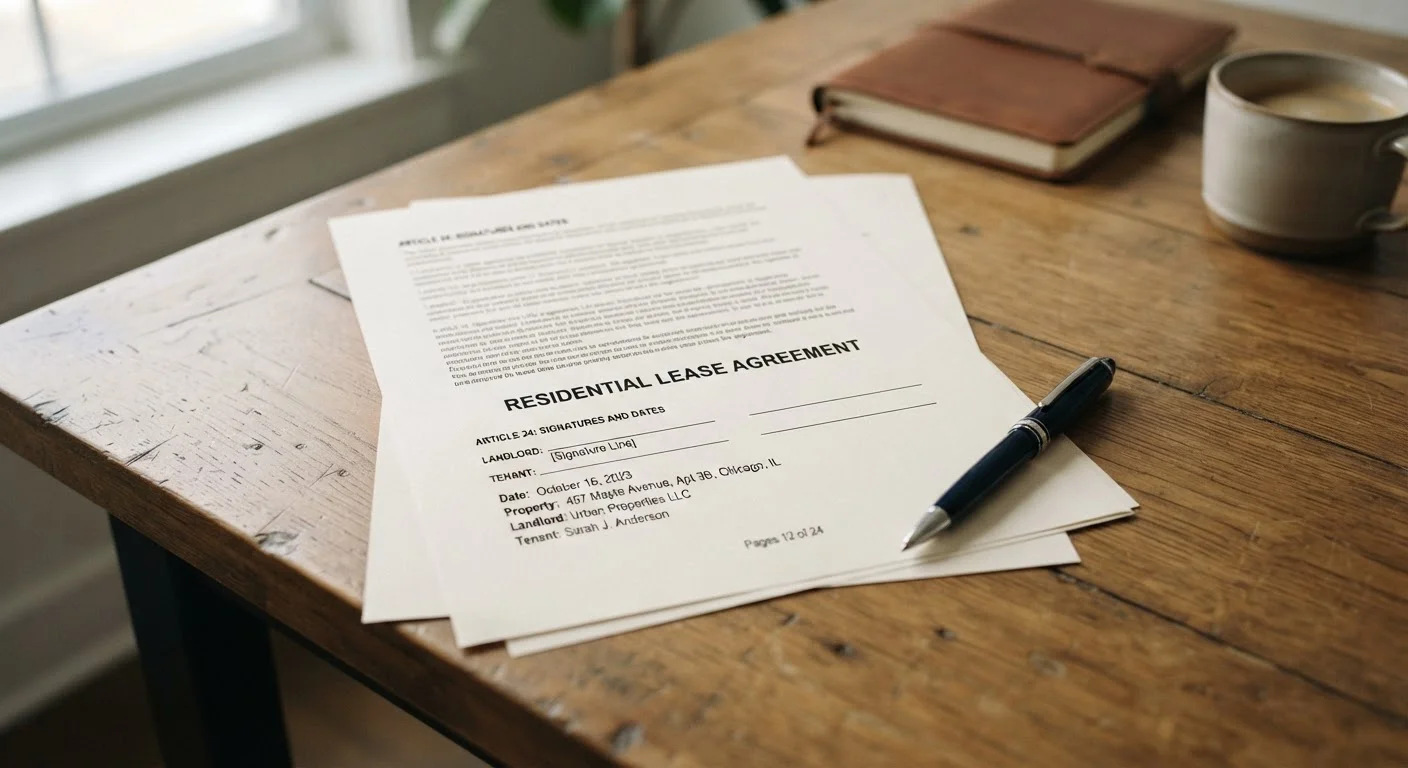
A lease agreement is a legally binding contract between a landlord and a tenant that outlines the terms under which the tenant may occupy a rental property. It specifies the rent amount, the length of the tenancy, each party's responsibilities, and the consequences of breaking those terms. Once signed, both parties are obligated to follow it.
Lease agreements are governed by a combination of state landlord-tenant law and local housing codes, which can override certain contract provisions even if both parties have signed them.
The Core Structure of a Lease
Most residential leases follow a predictable structure, but the details within each section carry real consequences. The foundational elements include the names of all parties, the property address, the lease term (start and end dates), the monthly rent amount, and the due date. These basics form the skeleton of the agreement.
Beyond the basics, leases typically address the security deposit, utility responsibilities, maintenance obligations, pet policies, and rules about guests. Each clause defines what you can and cannot do in the unit - and what the landlord is required to provide in return. Reading the entire document, not just the rent figure, is essential before putting pen to paper.
For a broader look at how a lease-based arrangement compares to ownership over time, see leasing vs. buying.
44M+
Renter households in the U.S.
According to U.S. Census Bureau data, more than 44 million households in the United States rent their primary residence.
30-45 days
Typical security deposit return window
Most U.S. states require landlords to return security deposits within 14 to 45 days of move-out, depending on the jurisdiction.
2x rent
Maximum security deposit cap in many states
A majority of U.S. states cap residential security deposits at one to two months' rent, though limits vary by location.
Clauses That Carry the Most Risk
Several lease provisions deserve more scrutiny than others because they directly affect your financial exposure.
- Early termination clause: This spells out the penalty if you need to leave before the lease ends - commonly one to two months' rent, or forfeiture of the security deposit. Some leases require you to continue paying rent until a replacement tenant is found.
- Automatic renewal: Many leases renew automatically unless you provide written notice by a specific deadline - sometimes 60 days before the end date. Missing this window can lock you into another full term.
- Rent increase provisions: In fixed-term leases, rent typically cannot increase mid-term. However, leases may include language permitting increases at renewal, and some jurisdictions allow certain pass-through costs.
- Subletting restrictions: Most leases require landlord approval before you sublet or transfer the unit to another occupant. Violating this can be grounds for eviction.
If you're unsure whether your lease reflects standard practice or contains unusual terms, common renter misconceptions is worth reviewing alongside this guide.
Request Any Verbal Promises in Writing
If a landlord verbally agrees to make repairs, waive a fee, or allow a pet before you sign, ask for that promise to be added to the lease or documented in a signed addendum. Verbal agreements are difficult to enforce and often forgotten once you move in. A written record protects both parties.
Security Deposits: Rules Landlords Must Follow
Security deposits are one of the most contested areas in renter-landlord relationships. While the lease will state the deposit amount, state law governs how that money must be handled - and the lease cannot override those protections.
Most states cap security deposits at one to three months' rent. Landlords are generally required to hold deposits in a separate account, provide an itemized list of deductions within a set timeframe after move-out (commonly 14 to 30 days), and return any unused portion promptly. Failure to comply can entitle tenants to additional damages in some jurisdictions.
Document the unit's condition thoroughly at move-in - photographs with timestamps are particularly useful - and repeat the process at move-out. This paper trail is your primary defense if a landlord disputes what constitutes normal wear and tear versus damage.
Your Obligations as a Tenant
A lease is a two-way agreement. Tenants typically commit to paying rent on time, keeping the unit clean and undamaged, notifying the landlord of maintenance issues in writing, and following property rules. Violating any of these obligations can trigger warnings, fees, or in serious cases, eviction proceedings.
One area renters often overlook: the obligation to provide proper notice before vacating. Even at the natural end of a fixed-term lease, some agreements require formal written notice - failure to give it can result in charges. This is closely related to understanding the difference between lease types; see our guide on month-to-month vs. fixed-term leases for how notice requirements differ.
If you encounter a situation where the landlord appears to be violating the agreement, document everything in writing. Our guide on navigating a lease dispute outlines how to escalate effectively without inflaming the situation.
This article provides general information about lease agreements and is not legal advice. Lease laws vary significantly by state and locality. Consult a licensed attorney or local tenant rights organization for guidance specific to your situation.