

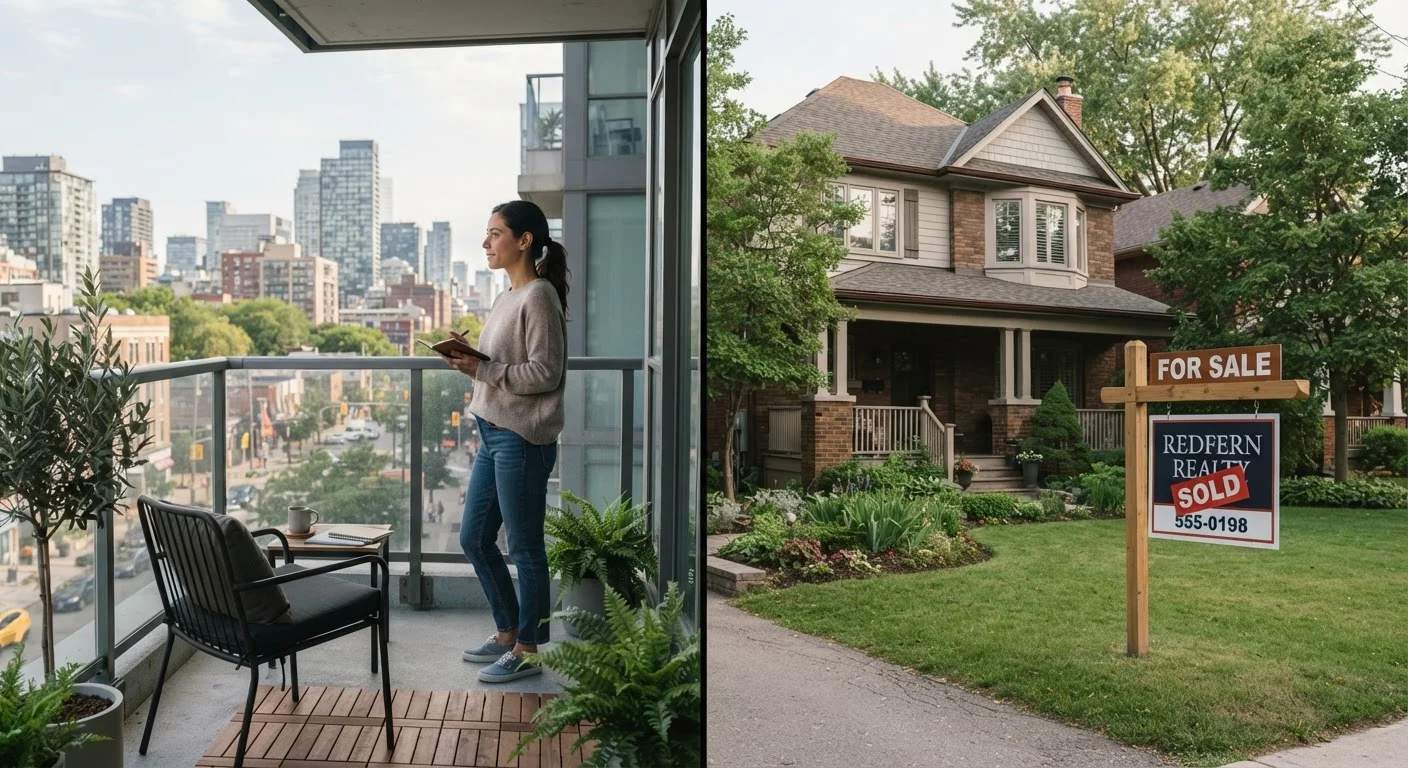
Key Takeaways
- High mortgage rates raise the true cost of buying, sometimes making renting financially smarter in the short term.
- Renting preserves flexibility and liquidity when market direction is unclear.
- Buying locks in a payment and builds equity, but requires a long enough time horizon to recover transaction costs.
- Your local market conditions matter as much as national trends - always evaluate both.
- Neither option is universally better; the right choice depends on your finances, timeline, and life goals.
Preserves liquidity when prices may correct
A down payment locked into a home that then falls in value can take years to recover. Renting keeps that capital accessible and deployable.
Lower exposure to rate-driven payment shock
Fixed-rate mortgages at elevated rates translate to high monthly obligations for the life of the loan. Renters avoid this commitment and may benefit if rates fall and rents adjust.
Flexibility to move as opportunities arise
Job markets, family situations, and personal priorities shift. Renting allows you to relocate without the friction and cost of selling a home.
Predictable near-term housing costs
Renters are typically shielded from unexpected repair bills, property tax increases, and HOA assessments that can inflate the true cost of ownership.
No equity accumulation over time
Monthly mortgage payments gradually build ownership stake in an asset. Rent payments deliver shelter but no ownership interest, regardless of how long you stay.
Locked into today's elevated rates
Buyers who purchase at high rates face large monthly payments unless they refinance later - which is only possible if rates fall and their financial profile qualifies.
Large upfront transaction costs require long ownership
Closing costs, inspection fees, and agent commissions typically add 3-6% of the purchase price upfront, meaning the home must appreciate or be held long enough to absorb those costs.
Market timing risk is real
Buying near a price peak means potential negative equity if values decline - an outcome that can trap owners financially if they need to sell before recovery.
Our Verdict
In uncertain markets, neither renting nor buying is the automatic right answer. Buying makes sense when you have a long time horizon, stable income, and the financial cushion to absorb market volatility. Renting is often the more prudent choice when rates are elevated, prices feel stretched, or your life circumstances may change within the next few years.
Buyers with a 7-plus-year horizon, strong credit, and a solid down payment saved; renters navigating job changes, family transitions, or markets where price-to-rent ratios remain historically high.
Why Uncertainty Changes the Calculus
The standard rent-vs-buy debate usually centers on building equity versus preserving flexibility. But when mortgage rates are elevated and home prices remain stubbornly high in many markets, the financial math shifts in ways that aren't always intuitive. Understanding how market conditions affect your negotiating position is essential before you commit either way.
Two forces define the current uncertainty for many Americans: affordability compression and price direction ambiguity. When rates rise sharply, monthly mortgage payments on the same home can jump hundreds of dollars compared to prior years - without any change in the home's purchase price. At the same time, price corrections in some markets have materialized while others remain resilient, making it genuinely difficult to know whether buying today means buying at a peak.
What Is the Price-to-Rent Ratio?
The price-to-rent ratio compares median home purchase prices to annual rental costs for comparable properties in a market. A ratio above 20 generally suggests renting may be more cost-effective over a short to medium time horizon. Below 15, buying typically pencils out more favorably. Local ratios vary significantly from national averages, so always evaluate the specific market you're considering.
The Case for Renting Right Now
Renting isn't giving up - in the right circumstances, it's a deliberate financial strategy. Here's where renting holds a meaningful edge during periods of market volatility.
Preserves liquidity when prices may correct
A down payment locked into a home that then falls in value can take years to recover. Renting keeps that capital accessible and deployable.
Lower exposure to rate-driven payment shock
Fixed-rate mortgages at elevated rates translate to high monthly obligations for the life of the loan. Renters avoid this commitment and may benefit if rates fall and rents adjust.
Flexibility to move as opportunities arise
Job markets, family situations, and personal priorities shift. Renting allows you to relocate without the friction and cost of selling a home.
Predictable near-term housing costs
Renters are typically shielded from unexpected repair bills, property tax increases, and HOA assessments that can inflate the true cost of ownership.
One underappreciated factor is the price-to-rent ratio - a measure of how expensive it is to own versus rent a comparable home in a given market. When this ratio is historically high, renting tends to produce better financial outcomes over a 3-to-5-year window. To understand the forces shaping what you'd pay as a renter, see how vacancy rates, seasonality, and location shape your rent.
The Case for Buying Despite the Uncertainty
Waiting for the "perfect" market is rarely a sound strategy either. Buyers who held off during prior cycles sometimes missed years of equity growth. The argument for buying in uncertain conditions rests on a few durable principles.
No equity accumulation over time
Monthly mortgage payments gradually build ownership stake in an asset. Rent payments deliver shelter but no ownership interest, regardless of how long you stay.
Locked into today's elevated rates
Buyers who purchase at high rates face large monthly payments unless they refinance later - which is only possible if rates fall and their financial profile qualifies.
Large upfront transaction costs require long ownership
Closing costs, inspection fees, and agent commissions typically add 3-6% of the purchase price upfront, meaning the home must appreciate or be held long enough to absorb those costs.
Market timing risk is real
Buying near a price peak means potential negative equity if values decline - an outcome that can trap owners financially if they need to sell before recovery.
The key discipline is time horizon. Most housing economists suggest that transaction costs - agent commissions, closing costs, and moving expenses - require at least five to seven years of ownership to break even in a flat or modestly appreciating market. If you can commit to that window, the short-term volatility becomes far less consequential. For a deeper look at navigating competitive conditions, see what actually works when inventory is tight.
A Framework for Making the Decision
Rather than trying to time the market - a notoriously difficult endeavor - focus on the variables you can actually measure and control.
5-7 years
Typical break-even horizon for homebuyers
Most housing economists estimate buyers need at least five to seven years of ownership to recoup transaction costs in a normally appreciating market.
3-6%
Typical closing costs as share of purchase price
Buyers typically pay 3-6% of the home's price in closing costs alone, a figure that underscores why a long time horizon is critical to financial break-even.
30%+
Share of income renters spend on housing in many metros
The U.S. Department of Housing and Urban Development defines cost-burdened renters as those spending more than 30% of gross income on housing - a threshold exceeded in many major markets.
- Run the break-even math locally. A financial planner or a reputable online rent-vs-buy calculator can estimate how long you need to stay in a home for buying to outperform renting in your specific market.
- Stress-test your budget. At current rates, assume your mortgage payment is fixed. Then ask: if my income dropped 15%, could I sustain this payment? If the answer is no, renting buys you critical financial resilience.
- Evaluate your timeline honestly. If there's a meaningful chance you'll relocate within three years - for work, family, or lifestyle - renting preserves optionality that ownership forecloses.
- Watch local inventory and days-on-market data. These indicators signal whether your local market is shifting toward buyers, giving you more room to negotiate price and terms.
The decision ultimately turns on personal circumstances at least as much as market data. A broader framework for thinking through rent vs. buy can help you weigh the non-financial dimensions - stability, identity, and life stage - that the numbers alone won't capture. Whatever path you choose, the home buying guides and renter resources available here can support each step of the journey.
This article is for general informational and educational purposes only and does not constitute financial, legal, or investment advice. Consult a qualified financial adviser or real estate professional before making decisions about your specific circumstances.