

Key Takeaways
- Mindfulness is a quality of attention you can apply to any moment; meditation is a formal practice you set time aside for.
- All meditation cultivates mindfulness, but mindfulness doesn't require meditation.
- Both approaches are supported by a growing body of research linking them to reduced stress and improved wellbeing.
- Neither replaces professional mental health care when symptoms are significant.
- Starting with just a few minutes of either practice can build a sustainable habit over time.
Option A
Mindfulness
The moment-to-moment awareness you can carry anywhere.
Best for: People who want to reduce stress and sharpen focus throughout everyday activities without carving out dedicated practice time.
Option B
Meditation
The structured practice that builds your mental fitness over time.
Best for: People ready to commit to a regular, intentional session - sitting, breathing, or guided - to cultivate deeper calm and self-awareness.
If you want stress relief woven into your existing daily routine
Mindfulness
Mindfulness requires no equipment or dedicated time slot - you can practice it while washing dishes, commuting, or talking with a friend.
If you want to build a structured mental wellness habit
Meditation
A consistent meditation practice trains the mind more systematically, with research backing benefits for sleep, anxiety, and emotional regulation.
If you're completely new to either concept
Mindfulness
Starting with simple mindful awareness has almost no barrier to entry, making it the gentlest on-ramp before exploring formal meditation.
If you want the deepest long-term mental fitness results
Meditation
Regular seated or guided meditation sessions create neurological changes that compound over weeks and months of consistent practice.
What Actually Separates These Two Terms?
If you've ever searched for ways to manage stress or improve focus, you've almost certainly encountered both words - often used as if they mean the same thing. They don't, and the distinction genuinely matters when you're trying to figure out what works for your life.
Mindfulness is a quality of awareness - the ability to pay deliberate, non-judgmental attention to whatever is happening right now. You can be mindful while eating, walking, or having a conversation. It's not something you do in a separate space; it's a way of relating to your experience in real time.
Meditation, by contrast, is a formal practice - a deliberate set of mental exercises you engage in during dedicated sessions. Think of it as structured training for the mind, similar to how going to the gym trains the body. Most meditation traditions teach mindfulness as one of their core skills, which is exactly why the two terms blur together so easily.
A helpful analogy: mindfulness is like physical fitness - a quality you develop and express throughout your day. Meditation is like a workout - a specific session designed to build that quality more intentionally. You can be fit without going to the gym every day, but regular workouts certainly help.
| Criterion | Mindfulness | Meditation |
|---|---|---|
| What it is | A quality of present-moment awareness | A structured mental practice or exercise |
| When you do it | Anytime, during everyday activities | During a dedicated, set-aside session |
| Time required | No extra time needed | Typically 5-45 minutes per session |
| Tools or equipment | None | None required; apps or audio can help |
| Learning curve | Very low - accessible immediately | Gentle but benefits from guidance |
| Primary goal | Presence and non-judgmental awareness | Building attention, calm, and self-awareness |
| Research support | Solid, especially in structured programs | Growing, strongest for consistent practice |
What the Research Actually Says
Both practices have attracted meaningful scientific attention over the past few decades, though the research landscape is still evolving and not all studies are equally rigorous. Here's an honest summary of what the evidence suggests.
Mindfulness-Based Stress Reduction (MBSR), an eight-week program developed in clinical settings, has been among the most studied approaches. Research has associated it with reductions in perceived stress, improvements in sleep quality, and modest benefits for symptoms of anxiety and depression in some populations. The American Psychological Association notes mindfulness-based therapies show promise as complementary tools - though they are not a replacement for evidence-based clinical treatment.
Meditation practices broadly - including breath-focused, loving-kindness, and body-scan techniques - have been linked in multiple studies to changes in brain regions associated with attention regulation and emotional processing. That said, effects vary depending on the type of practice, session length, consistency, and individual factors.
One important nuance: research tends to study structured programs rather than casual app use or one-off sessions. Sustainable benefit generally requires consistent practice over weeks or months, not a single sitting.
~14%
U.S. adults who have tried meditation
According to a National Health Interview Survey, roughly 14% of American adults reported practicing meditation - triple the rate from a decade earlier.
8 weeks
Typical MBSR program length
Mindfulness-Based Stress Reduction, one of the most studied programs, runs over eight weeks; clinical research has observed measurable wellbeing changes within this timeframe.
~40%
Reduction in perceived stress reported in some MBSR studies
Several peer-reviewed studies on MBSR programs found participants reported notably lower perceived stress scores after completing the course, though individual results vary.
If you're managing a significant mental health condition, these practices may be useful complements - but please discuss with a qualified professional first. Our guide to therapy, counseling, and psychiatry can help you understand your options.
How to Start - Without Overcomplicating It
The most common barrier to both mindfulness and meditation isn't lack of interest - it's the belief that you're doing it wrong. Here's the reality: your mind will wander. That's not failure; it's the whole point. Noticing that your mind wandered and gently returning your attention is the practice itself.
Starting with mindfulness
Pick one routine activity - your morning coffee, your commute, or brushing your teeth - and commit to experiencing it fully for its entire duration. No phone, no mental to-do list. Just sensations, sounds, and whatever's actually happening. That's mindfulness in practice.
Starting with meditation
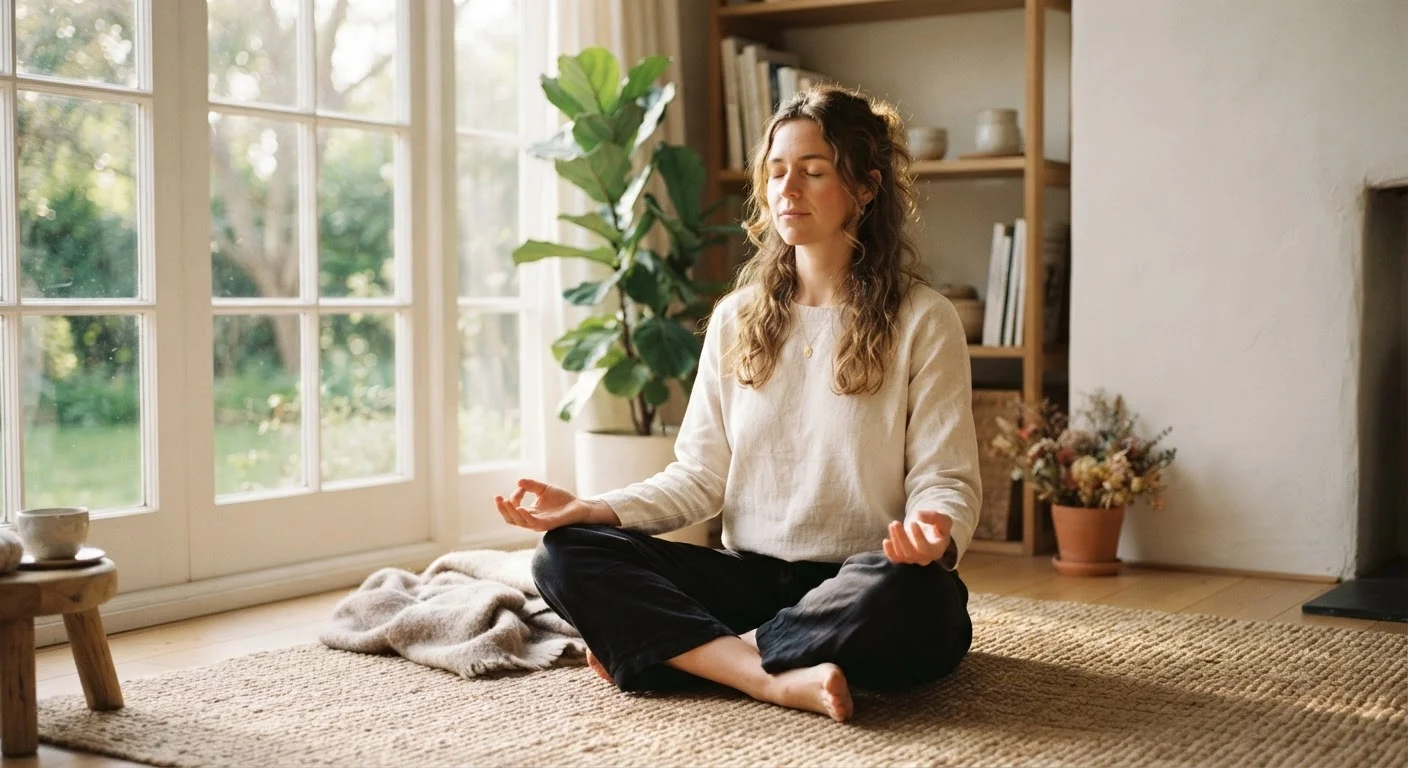
Begin with short sessions - many practitioners suggest starting with just five to ten minutes. Sit comfortably, focus on the natural rhythm of your breath, and when your attention drifts (it will), simply return it without self-criticism. Guided recordings or mental wellness apps can provide helpful structure, especially early on.
Neither path demands perfection or a particular spiritual framework. Both are accessible, low-cost tools for everyday mental wellness - and they work best when practiced consistently rather than intensively. For a broader look at habits that research supports, explore our evidence-based self-care guide.
This article is for general informational and educational purposes only and does not constitute medical or mental health advice. If you are experiencing significant mental health symptoms, please consult a qualified healthcare or mental health professional.